
Precious metal refining is the process of transforming raw gold materials, including scrap jewellery, industrial by-products, electronic components, or mined ore, into high-purity bullion that meets recognized market standards.
In Canada, and particularly in Toronto where bullion trading and jewellery recycling are active markets, refining plays a critical role in determining how gold is valued, traded, and reused.
Understanding how refining works is important not only for investors and bullion buyers, but also for individuals selling scrap gold. The refining method directly affects purity levels, payout calculations, and final market value.
What Is Precious Metal Refining?
Precious Metal Refining removes impurities and separates gold from other metals such as silver, copper, nickel, or zinc.
The goal is to produce gold that meets specific purity standards, most commonly:
● 99.5% purity (0.995) – standard for many bullion markets
● 99.99% purity (0.9999) – often required for investment-grade bullion
The difference between 99.5% and 99.99% may seem small, but in large-volume bullion trading, even fractional purity differences impact value and global acceptability.
Main Stages of the Gold Refining Process
Although refining techniques vary depending on material type, most professional refineries follow a structured multi-step approach.
1. Assessment and Material Testing
The process begins with evaluating the material.
Common sources include:
● Broken gold items
● Industrial scrap
● Electronic waste
● Gold bars requiring re-assay
Professional refiners use testing methods such as:
● XRF (X-ray fluorescence) for rapid surface analysis
● Fire assay for highly accurate purity verification
Accurate testing ensures fair valuation and proper refining method selection.
2. Melting and Pre-Treatment
Gold-bearing material is melted in controlled high-temperature furnaces. This step:
● Homogenizes mixed materials
● Allows initial separation of certain impurities
● Prepares the metal for chemical or electrolytic purification
For scrap gold refining in Toronto, this stage is especially important when processing mixed-karat jewellery.
3. Primary Refining (Purification Stage)
The refining method chosen depends on the material type and desired final purity.
Common methods include:
Miller Process
Chlorine gas is introduced into molten gold. Base metals react and separate, allowing gold purity of approximately 99.5%.
This method is efficient for large-scale gold smelting in Canada where high throughput is required.
Wohlwill Process
An electrolytic process that can refine gold to 99.99% purity.
This method is typically used when producing investment-grade bullion for global markets.
Aqua Regia Method
A chemical process using nitric and hydrochloric acid to dissolve gold and remove impurities.
Often used for smaller batches or complex scrap materials.
Electrolysis
Electric current is used to separate gold from other metals.
This method is particularly effective for jewellery refining and industrial recovery.
4. Recovery and Casting
Once purified, gold is:
● Recovered
● Melted again
● Cast into bars or granules
● Stamped with purity verification
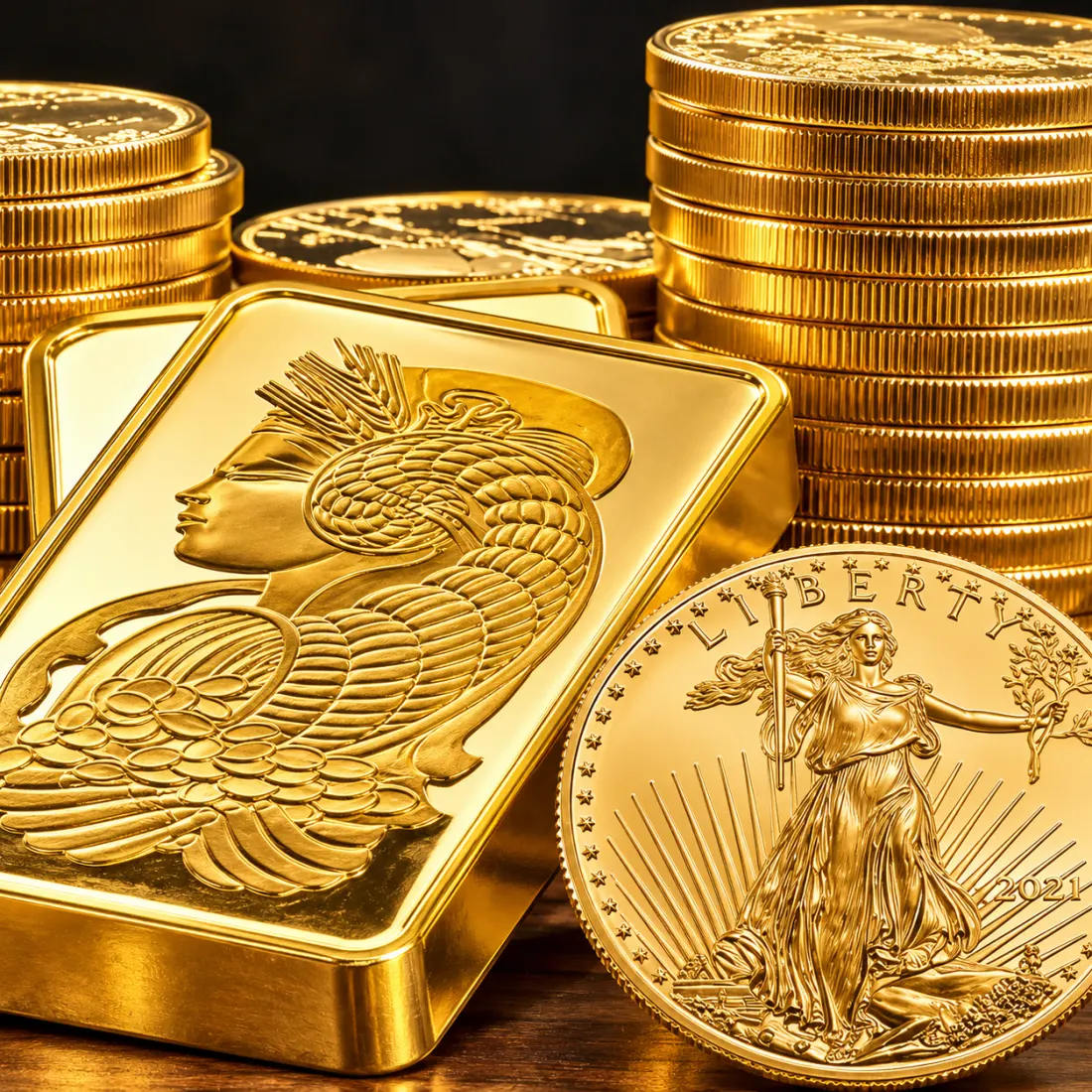
This is the stage where refined gold becomes bullion-ready.
Scrap Jewellery vs Bullion: Why Refining Matters
Many sellers assume all gold is valued the same, but refining explains the difference.
For example:
● 10K gold contains 41.7% pure gold
● 14K gold contains 58.5% pure gold
● 24K gold contains 99.9% pure gold
Refiners calculate payout based on:
● Current spot price
● Verified purity
● Weight
● Refining costs
This is why understanding scrap gold refining is important for anyone selling gold in Toronto.
Environmental and Compliance Standards
Professional gold refinery Canada operations must follow:
● Environmental regulations
● Emissions controls
● Waste treatment standards
● Precious metal reporting requirements
Responsible refining ensures both regulatory compliance and ethical handling of materials.
What Refiners Look For
When evaluating gold for refining, professionals consider:
● Purity consistency
● Contamination levels
● Presence of stones or attachments
● Alloy composition
● Market demand for bullion grade
These factors influence how the material is processed and valued.
Why Refining Affects What You Get Paid
For individuals selling scrap gold or jewellery, refining directly impacts payout.
Higher purity and cleaner material generally result in:
● Faster processing
● Lower refining deductions
● More accurate valuation
This is why working with an experienced gold refinery Toronto facility can make a measurable difference compared to informal buyers.
Final Thoughts
Gold refining is more than a chemical process, it is the foundation of gold valuation, market trust, and bullion integrity.
From scrap jewellery to investment-grade bullion, every stage of refining influences purity, pricing, and usability in global markets.
For those seeking professional precious metal refining, scrap gold refining, or jewellery refining services in Toronto, established firms such as 24 Gold Group Ltd. operate within recognized industry standards to ensure accurate testing, transparent valuation, and responsible processing.

 24 Gold Group Ltd.
 Business hours:
 Phone:
 Email: