
Assessment basis
The verified purity and weight used, and the pricing reference: currency, unit and market time.
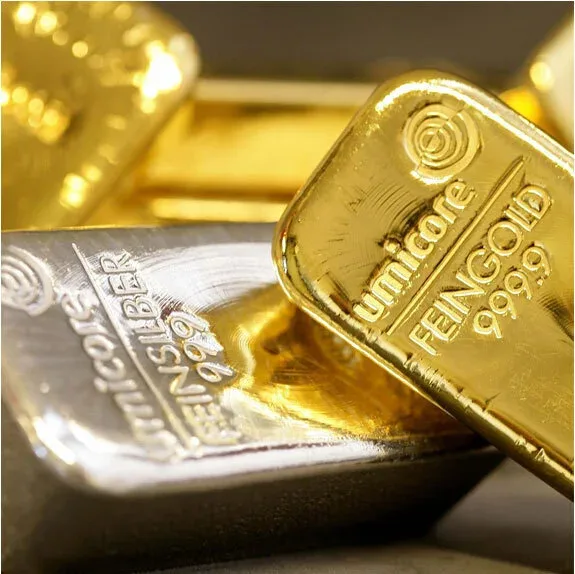
Selling precious metals raises practical questions. How is an offer calculated? Why might two buyers offer different amounts? Does a piece of jewellery’s weight equal its gold content?
Whether you have jewellery, bullion or scrap material, understanding the assessment helps you compare offers and decide whether to proceed. This guide explains what affects value, how to prepare and what to clarify before accepting payment.
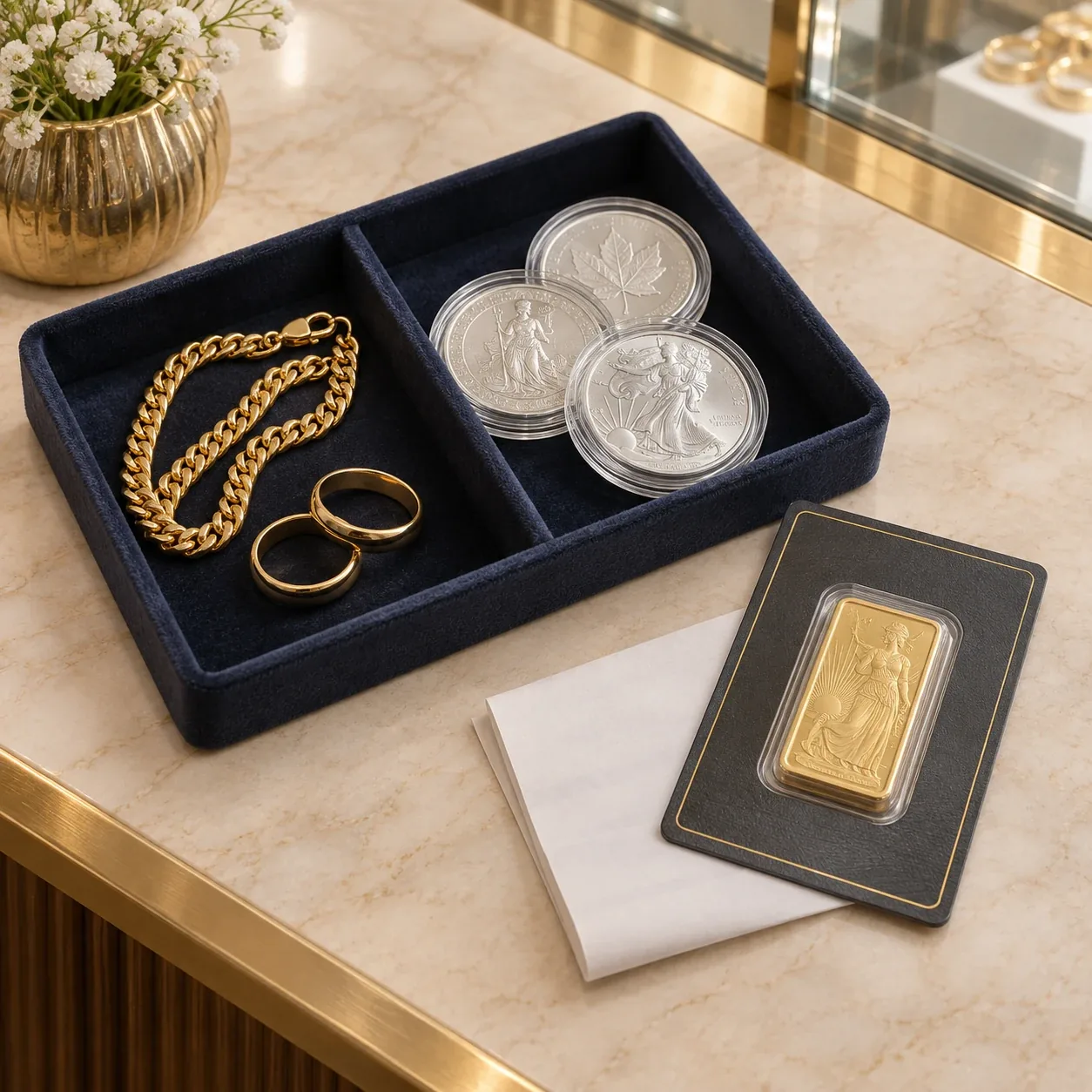
Start by identifying the type of item. Jewellery, bullion bars, coins and workshop scrap may require different assessments.
An item’s retail price, brand or sentimental importance is not the same as its precious-metal value. If a piece may have designer, antique or collector value, raise that before treating it as scrap.
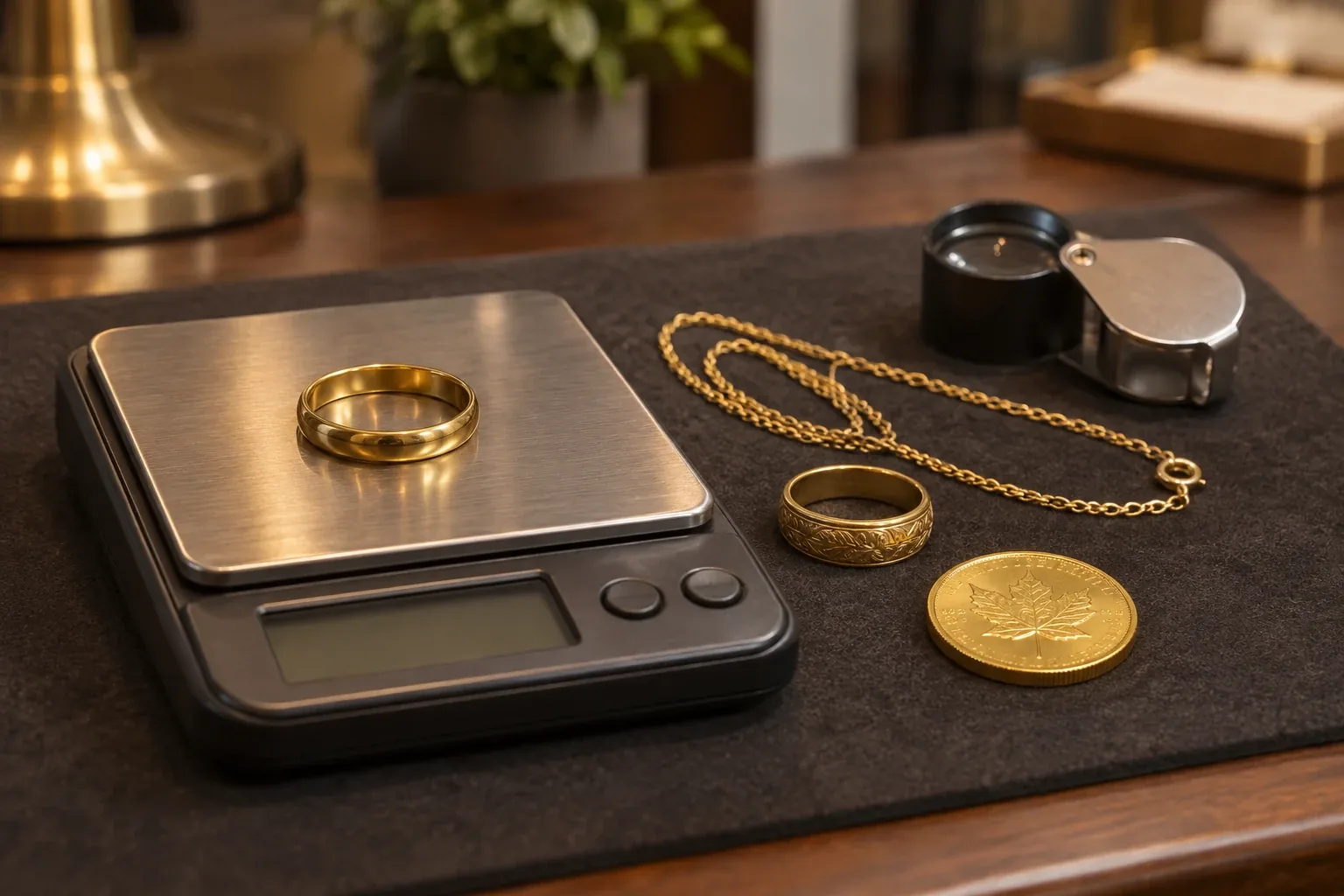
Two items with the same total weight can contain different amounts of precious metal. An 18K alloy contains 18 parts gold out of 24; silver, platinum and palladium use fineness marks instead.
Stones, springs and fittings can add weight without adding metal value. Ask which weight and purity are used in the calculation.
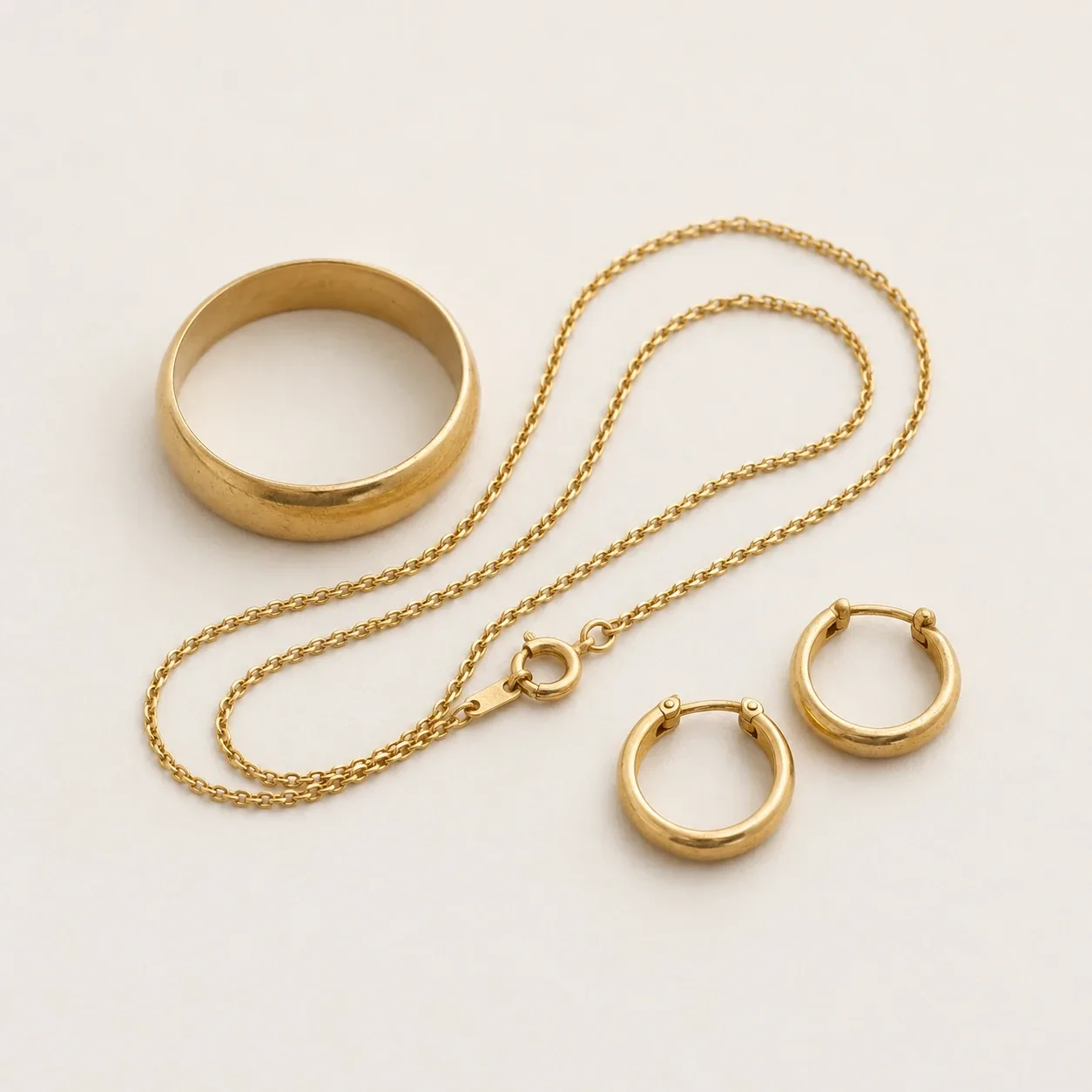
Buyers can use different pricing references, margins and assessment procedures, so an advertised price per gram only helps when you know what qualifies for it.
Ask whether the amount is preliminary or final, which deductions apply and how long the offer remains valid.
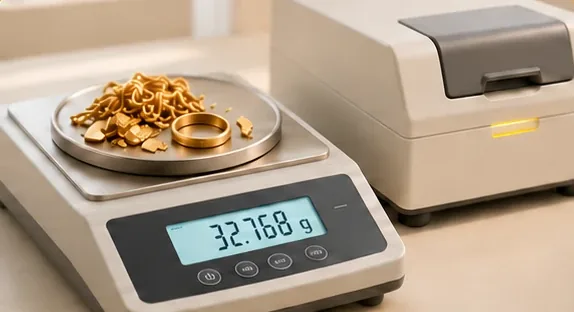
Find out how purity, weight and product identity are established, and whether different metals or karat marks will be accounted for separately.
Some procedures can alter an item. Understand what is proposed and what authorisation is needed before work begins.
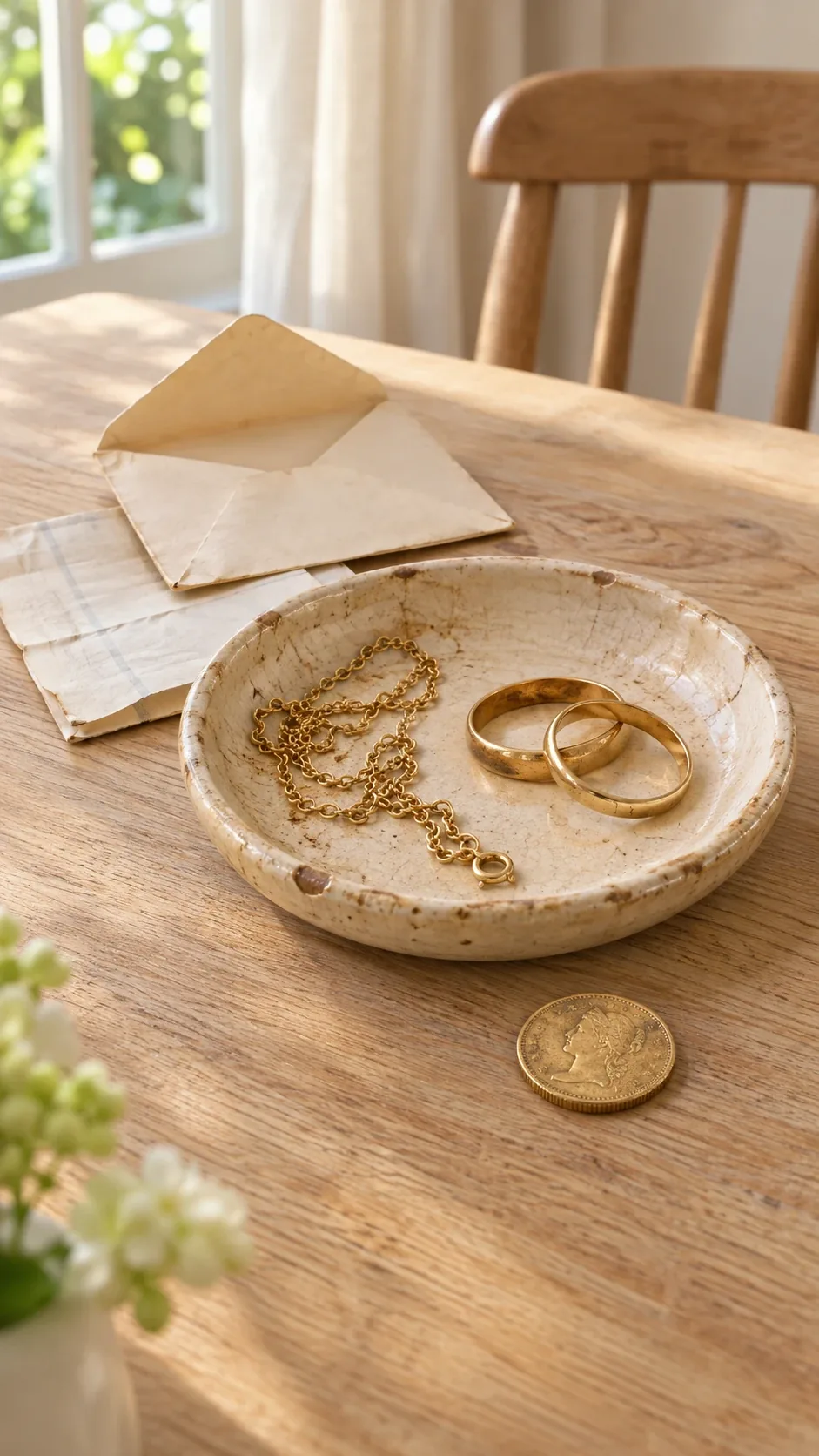
Gather the information available without dismantling or changing your items.
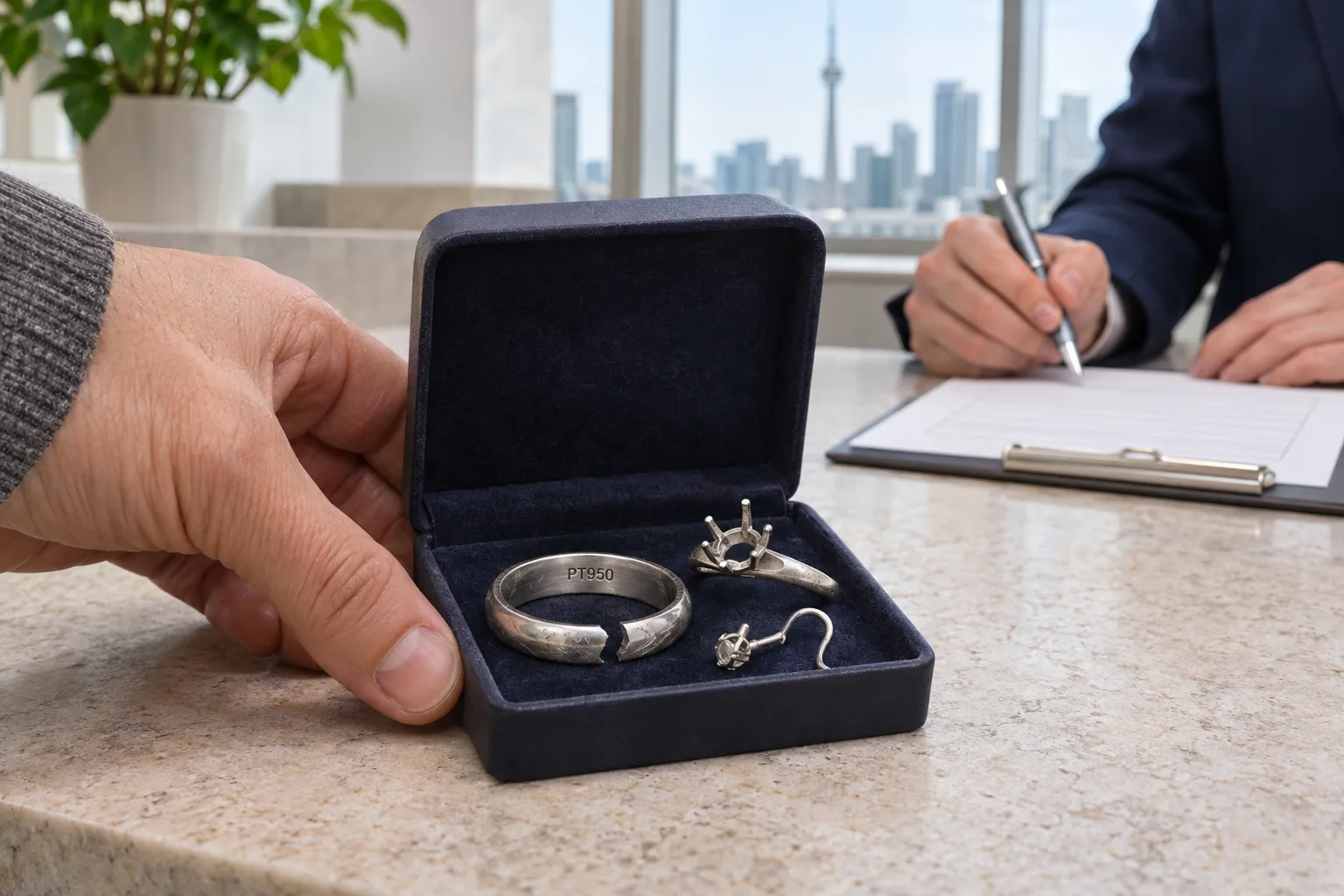
Ask what personal information is required and why. Do not send identity documents through an unverified email address or messaging account.
Bringing items for assessment does not mean you must sell. If an explanation is unclear or you feel rushed, take time to compare options.
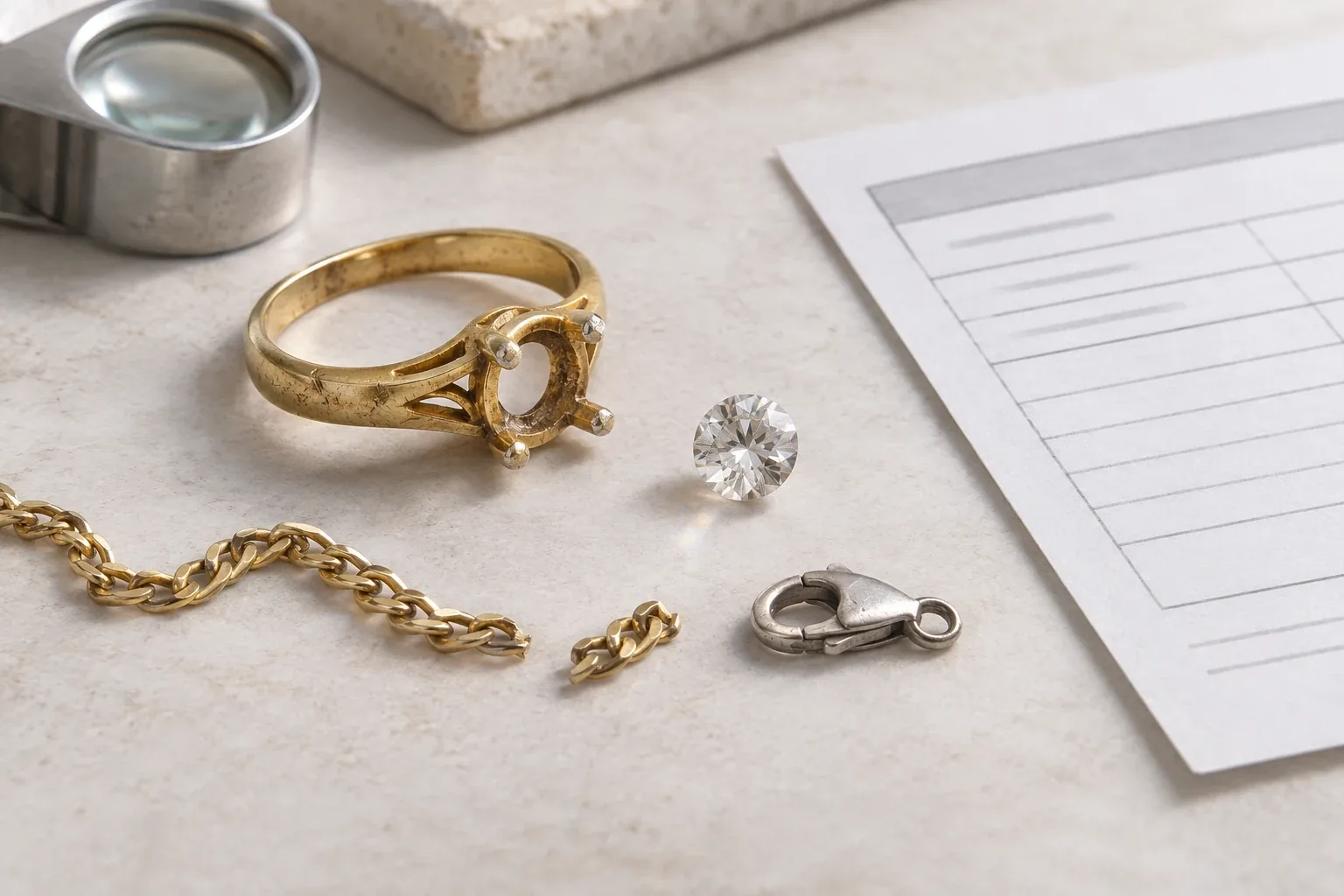
Jewellery retail prices include design, labour, branding, gemstones and tax. A refining-based valuation focuses on recoverable precious-metal content, so it can differ substantially from what you paid.
For gemstone-set or designer pieces, clarify whether stones are being purchased, excluded or returned before anything is removed.
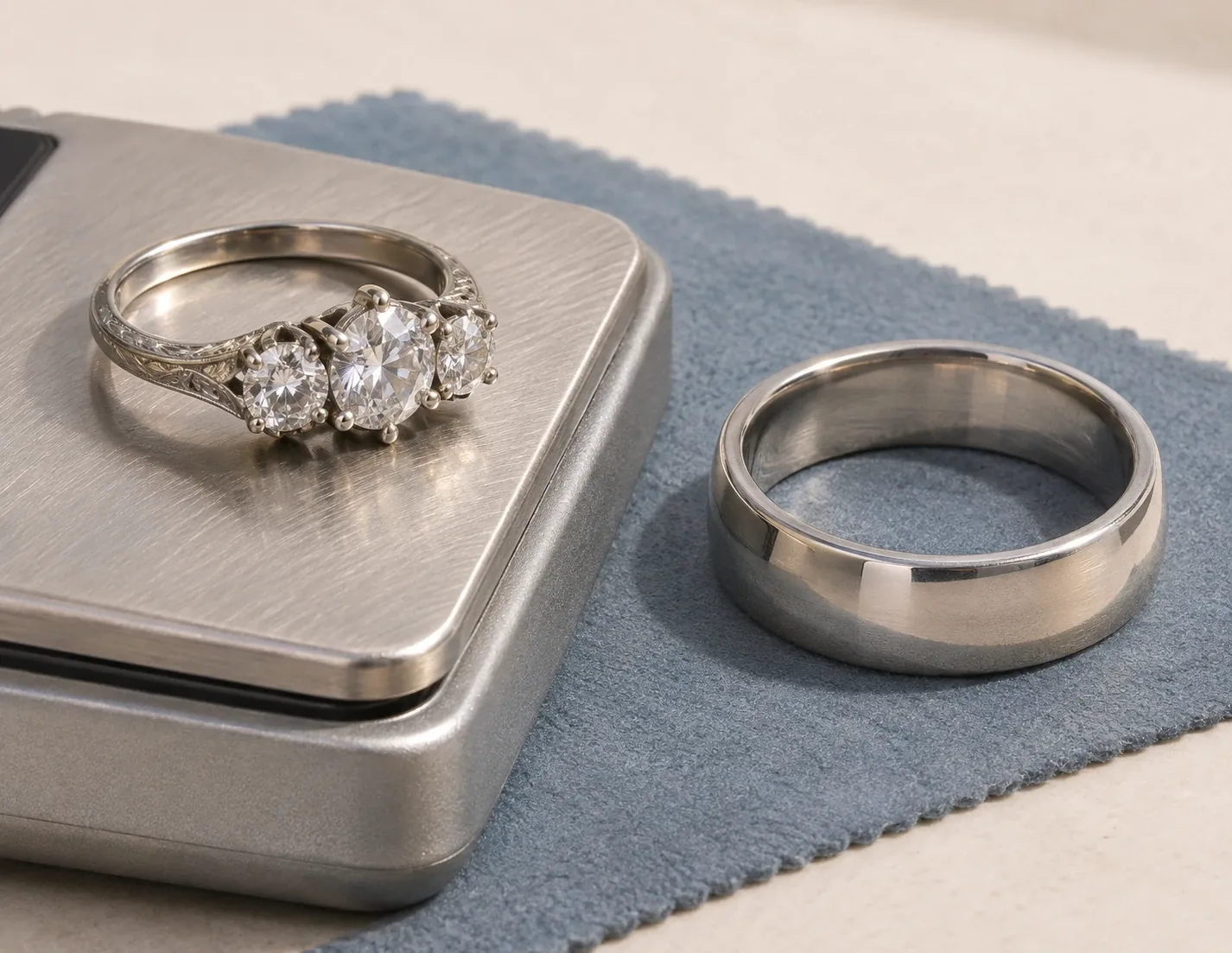
Measurement Canada requires scales used to buy or sell precious metals by weight to be approved, inspected and accurate for precious metals.
Ask which unit is used, what material is included in the measured weight and how that figure enters the offer.
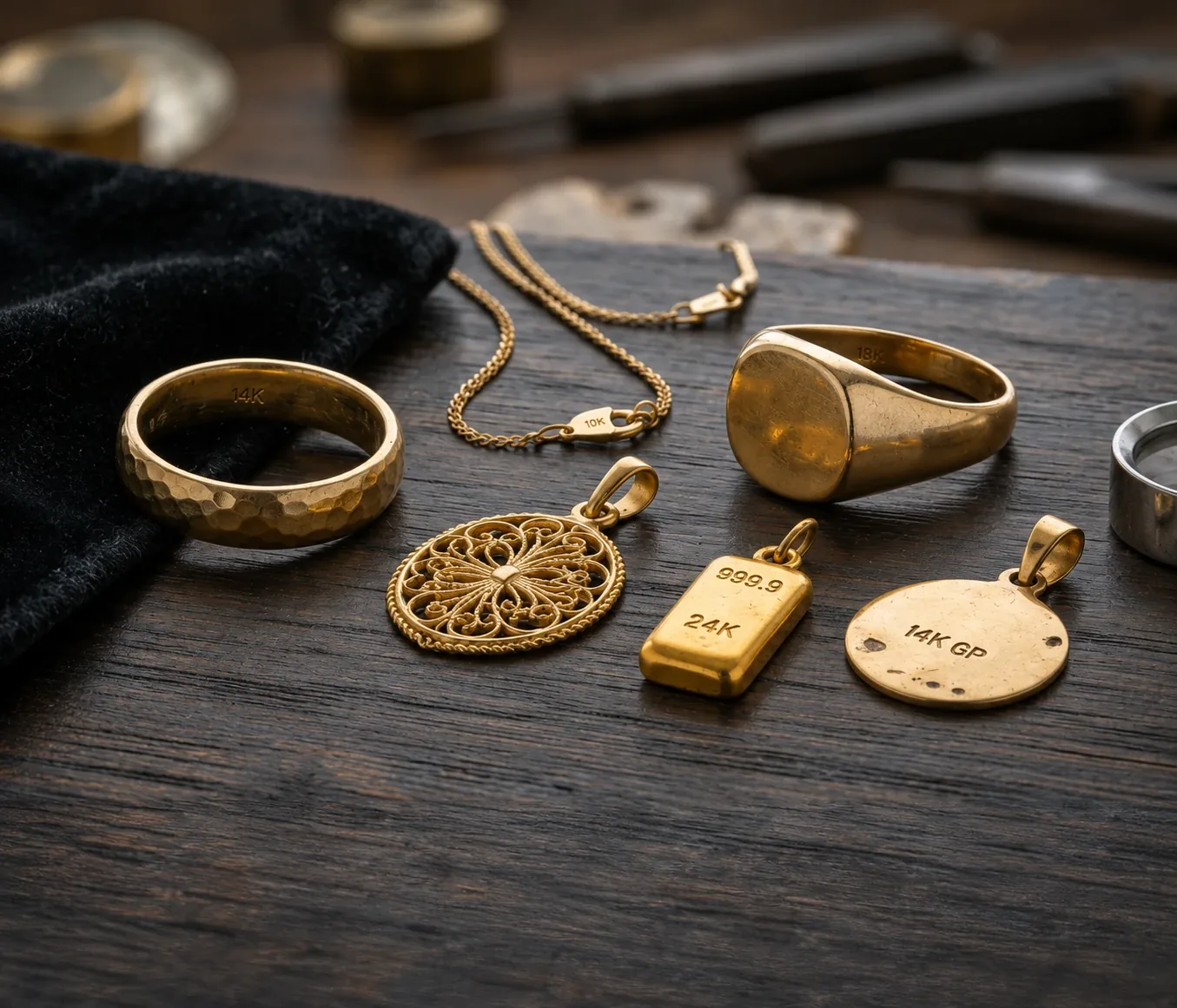
A calculator or telephone estimate may use weights and purities that have not been verified, or a different market time from the final assessment.
For example, a 20-gram lot with stones is not 20 grams of gold, and even verified 18K is only 18 parts gold out of 24. The buying rate and agreed deductions still apply.
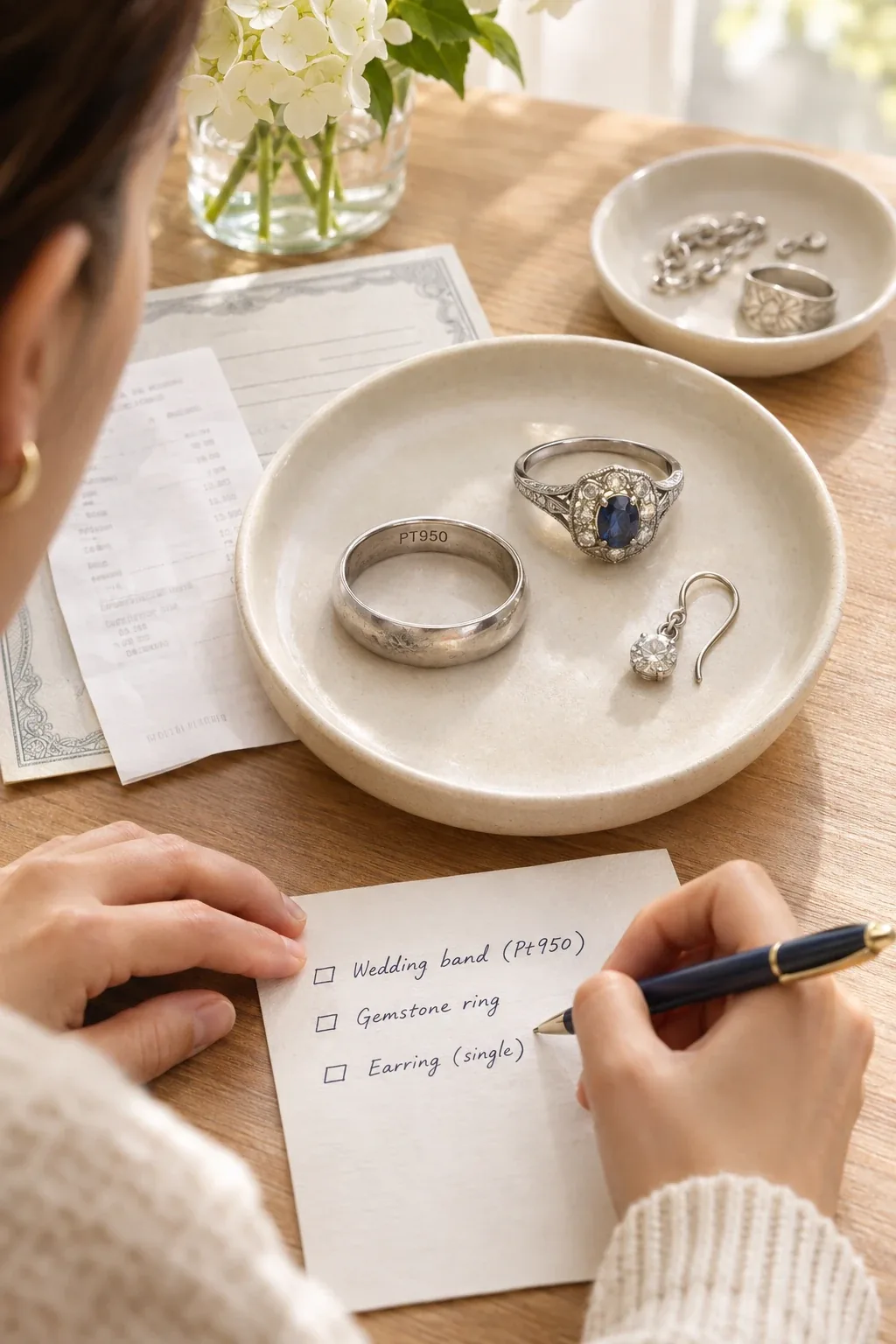
Canadian anti-money-laundering rules apply to precious-metal dealers, and FINTRAC’s guidance refers to transactions of $10,000 or more. Identification requirements depend on the circumstances.
Before a substantial sale, ask what identification and documentation are required and how to provide them securely.
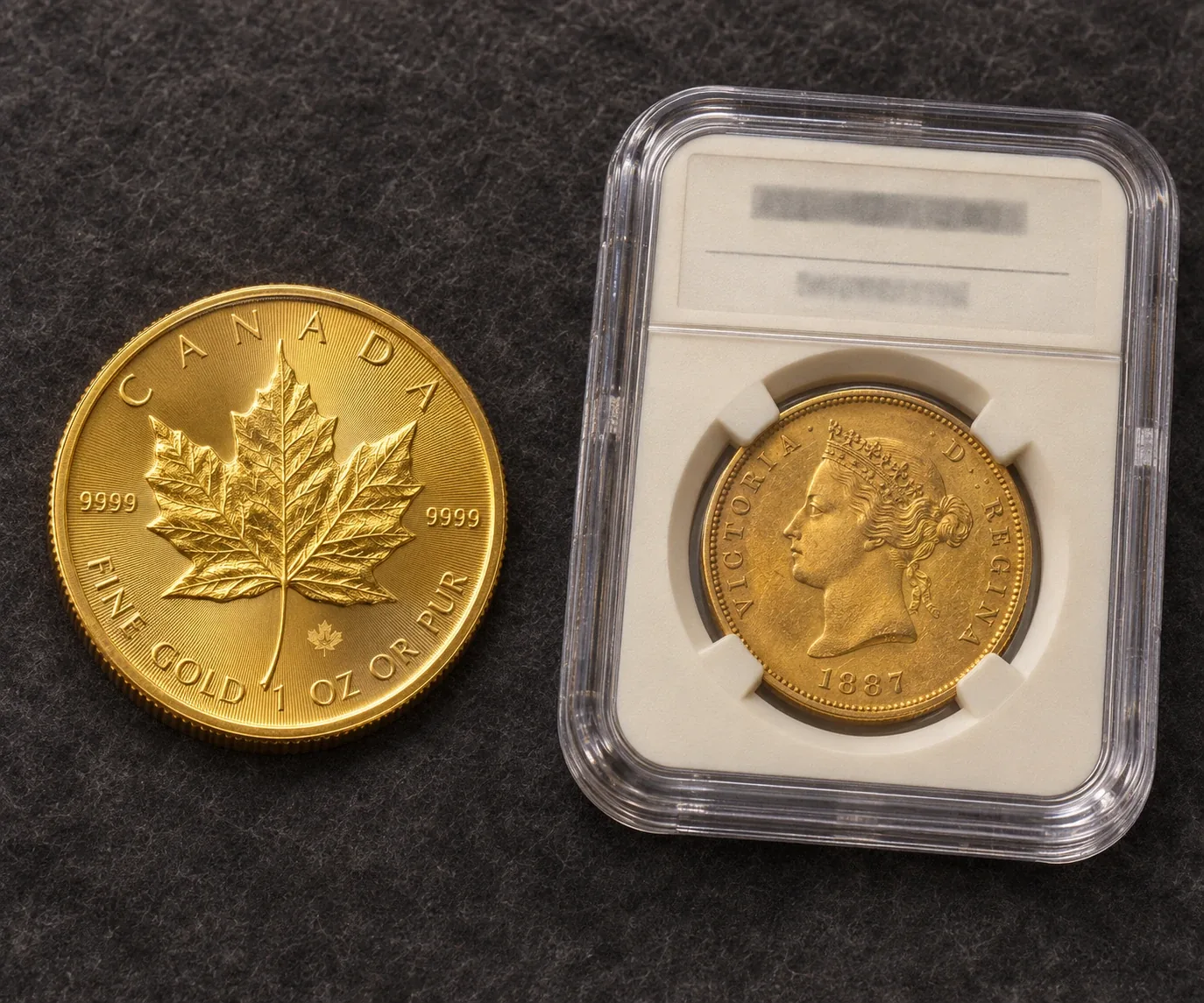
Rarity, condition, craftsmanship and provenance can give some coins, silverware and jewellery value beyond their metal.
For an unusual piece, ask whether a metal-only offer is the right comparison, and avoid polishing, repairing or dismantling it first.
Give each buyer the same item information, and request:
The verified purity and weight used, and the pricing reference: currency, unit and market time.
The amount payable after all stated deductions, and whether further testing could change it.
Payment method, timing and transaction documentation.
Check when the price becomes final and when payment will be made. Keep a written record of the items sold, the agreed amount and the payment arrangements.

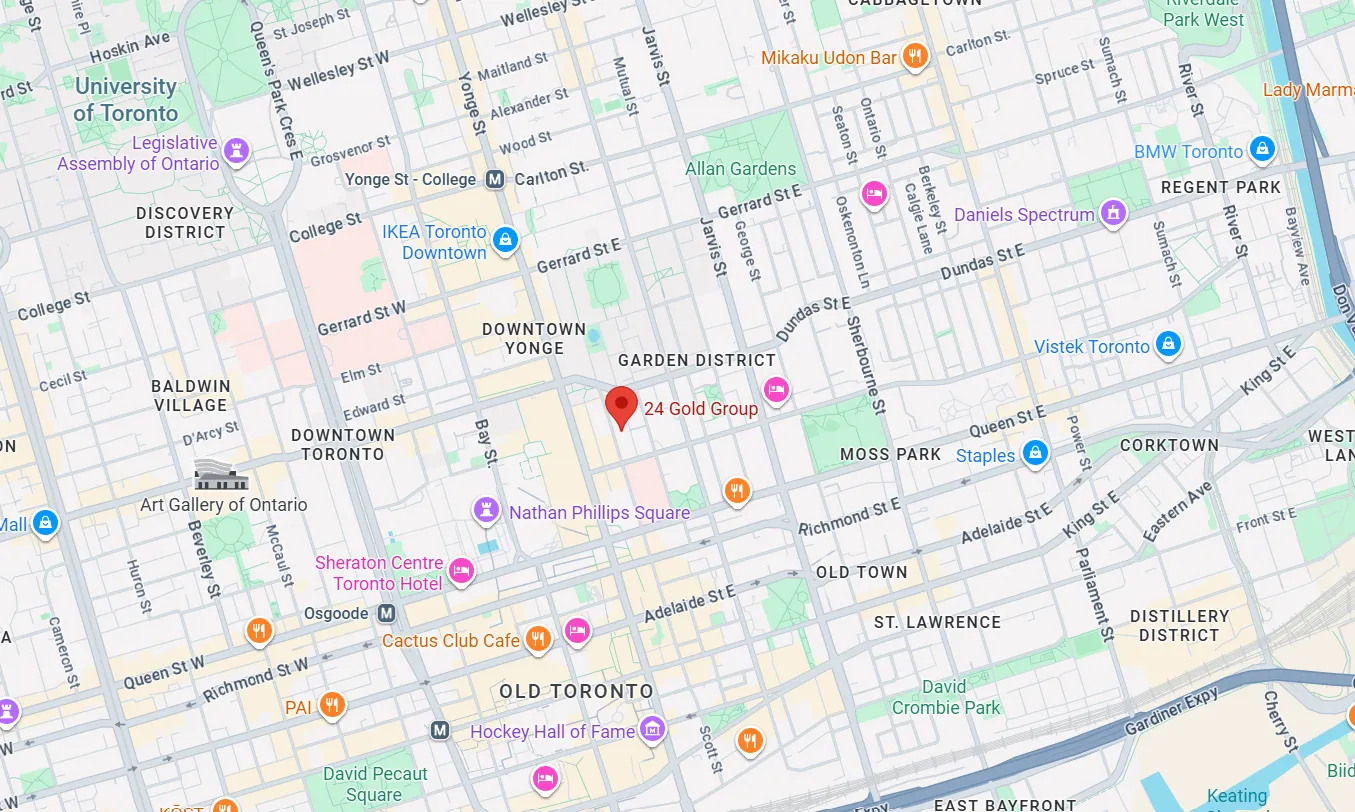
Call our Toronto trading floor with a description and quantity. We’ll explain our buying requirements and the next steps.
 24 Gold Group Ltd.
 Business hours:
 Phone:
 Email:

 Call the Trading Floor