Palladium Jewellery
99.95%Live Sell Price, per troy ounce
$1,400.08
- Per Kilogram
- $45,013.55

 Palladium Jewellery
Live Sell Price, per troy ounce
$1,400.08
If you’re looking to sell a palladium ring, wedding band or other piece of jewellery, our Toronto trading floor can tell you what information we need and whether your piece can be assessed.
Palladium can look like platinum or white gold. When you contact us, share any visible stamps and have any receipts, certificates or past appraisals handy. If you’re unsure what the piece is made of, simply describe it.
Palladium has been used in jewellery, particularly in white-metal designs. If you own a piece identified as palladium, you can contact 24 Gold to ask whether it meets current buying requirements. Acceptance depends on the item's composition and applicable purchasing criteria.
Items you may wish to enquire about include:

Plain bands, dress rings and other pieces identified as palladium.

Palladium bands that may have purity markings or supporting documentation.

Rings and other pieces featuring diamonds or coloured stones, subject to assessment.
Items believed to contain palladium, where the metal composition can be assessed.
Pieces with visible hallmarks, maker's marks or available documentation.
Damaged rings or other jewellery, depending on composition and current buying requirements.
Not every white-coloured piece contains palladium, and not every item will necessarily be accepted. If you are unsure what your jewellery is made from, describe it to our team before making arrangements.
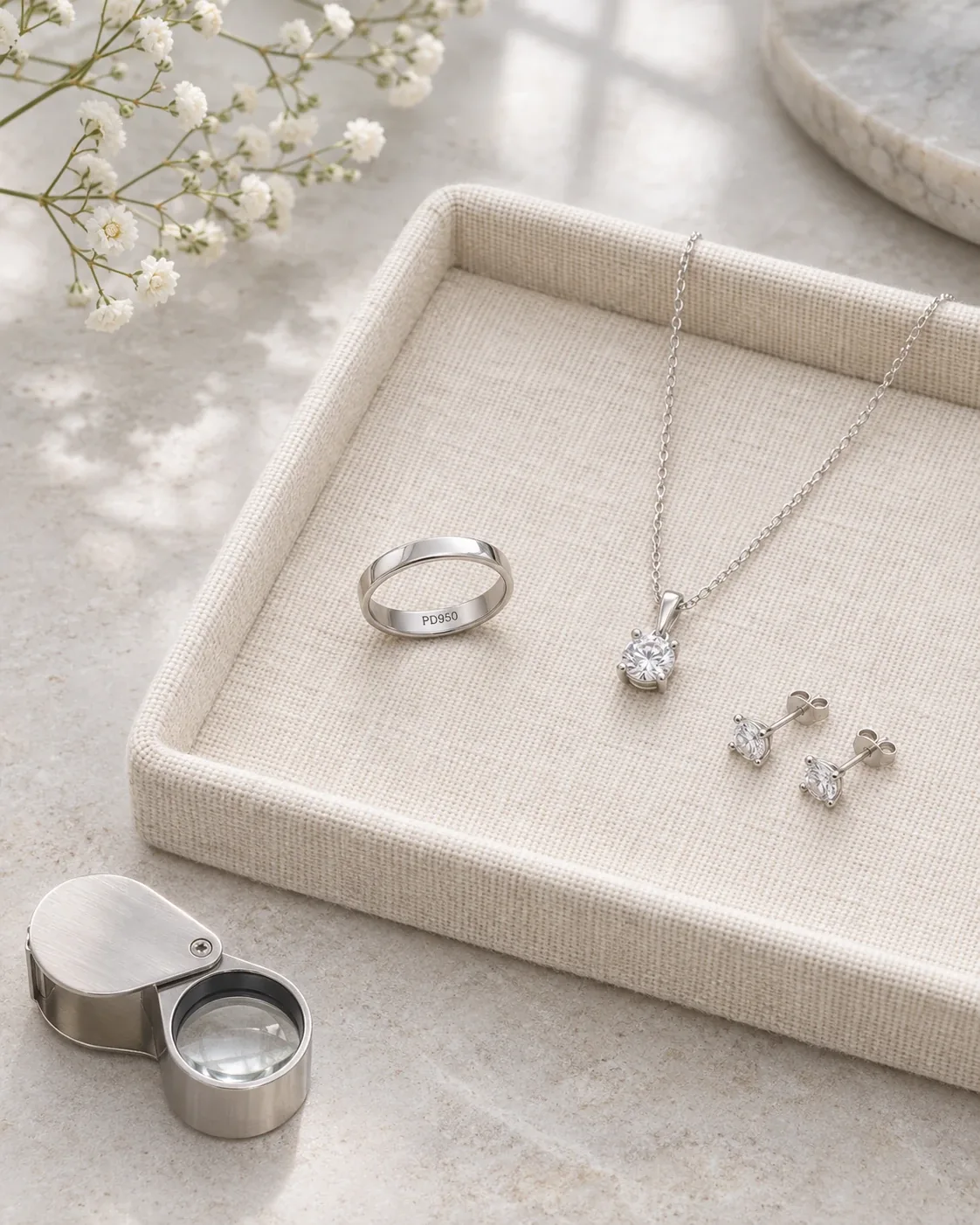
Palladium can be difficult to identify by appearance alone. It has a naturally white colour and may look similar to platinum or white gold, so a visual inspection is not enough to establish the metal's identity or purity.
Look for markings in discreet areas, such as the inside of a ring or the clasp of a piece of jewellery. Palladium jewellery may carry marks such as PD950, PD500 or other palladium-related purity stamps, depending on the alloy and applicable marking conventions. The number generally indicates the proportion of palladium in the metal alloy.
However, hallmarks may be worn, missing or difficult to interpret. A stamp should not be treated as definitive proof of composition without appropriate verification.
If you have an original receipt, product certificate or other documentation identifying the jewellery as palladium, keep it available when making your enquiry. Do not use household chemicals or abrasive methods to test the metal, as these may damage the item.
Palladium, platinum and white gold can all have a white or silvery appearance, but they are different materials. Correct identification matters because their composition and market prices differ.
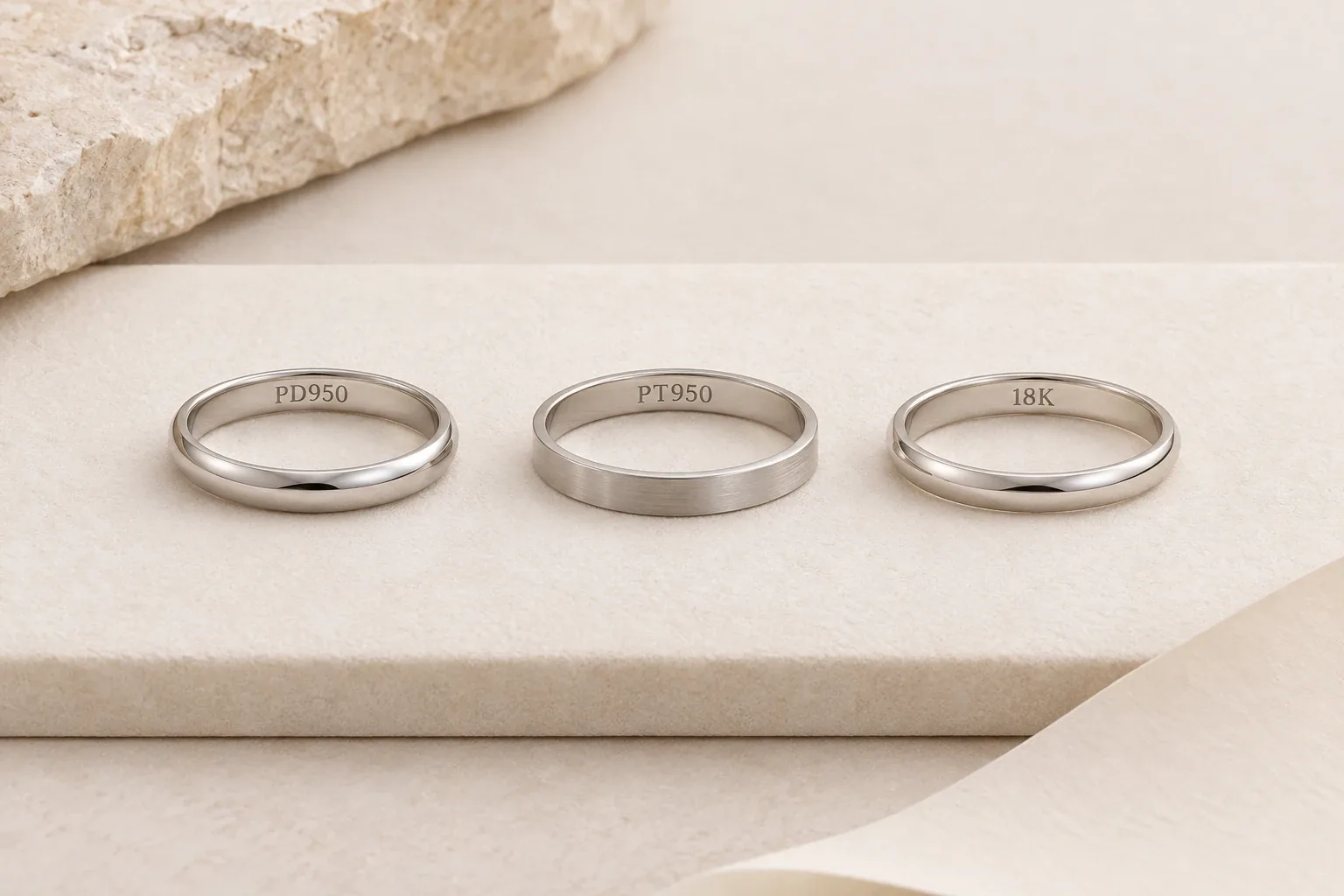
A precious metal belonging to the platinum-group metals. It has a naturally white appearance and is used in some jewellery alloys and specialised industrial applications.
Another platinum-group metal, often used in fine jewellery. Platinum and palladium have different physical properties, densities and market prices.
An alloy containing gold and other metals that give it a white appearance. Its gold content is generally identified using karat markings.
A separate precious metal that may also look similar to palladium. Sterling silver is commonly marked 925.
Some items have a surface coating or combine multiple materials. Their appearance does not establish how much palladium, if any, they contain.
These differences are important when evaluating a metal-based offer. If you are uncertain whether your item is palladium, platinum or white gold, provide any visible marks and available documentation when contacting 24 Gold.
The value of palladium jewellery depends on its verified metal content, weight and the market conditions at the time of assessment. Its appearance or total weight alone does not establish the amount of palladium present.
An assessment may consider the following factors:
The proportion of palladium in the jewellery, based on the applicable assessment.
The amount of palladium present after considering other materials and components.
Palladium prices can change in response to industrial demand, mining supply, geopolitical developments and broader market conditions.
Gemstones, clasps, springs, soldered areas and other metals may affect the amount of palladium present.
The design and construction of the piece may influence how its composition is assessed.
The item must meet current acceptance criteria before an offer can be considered.
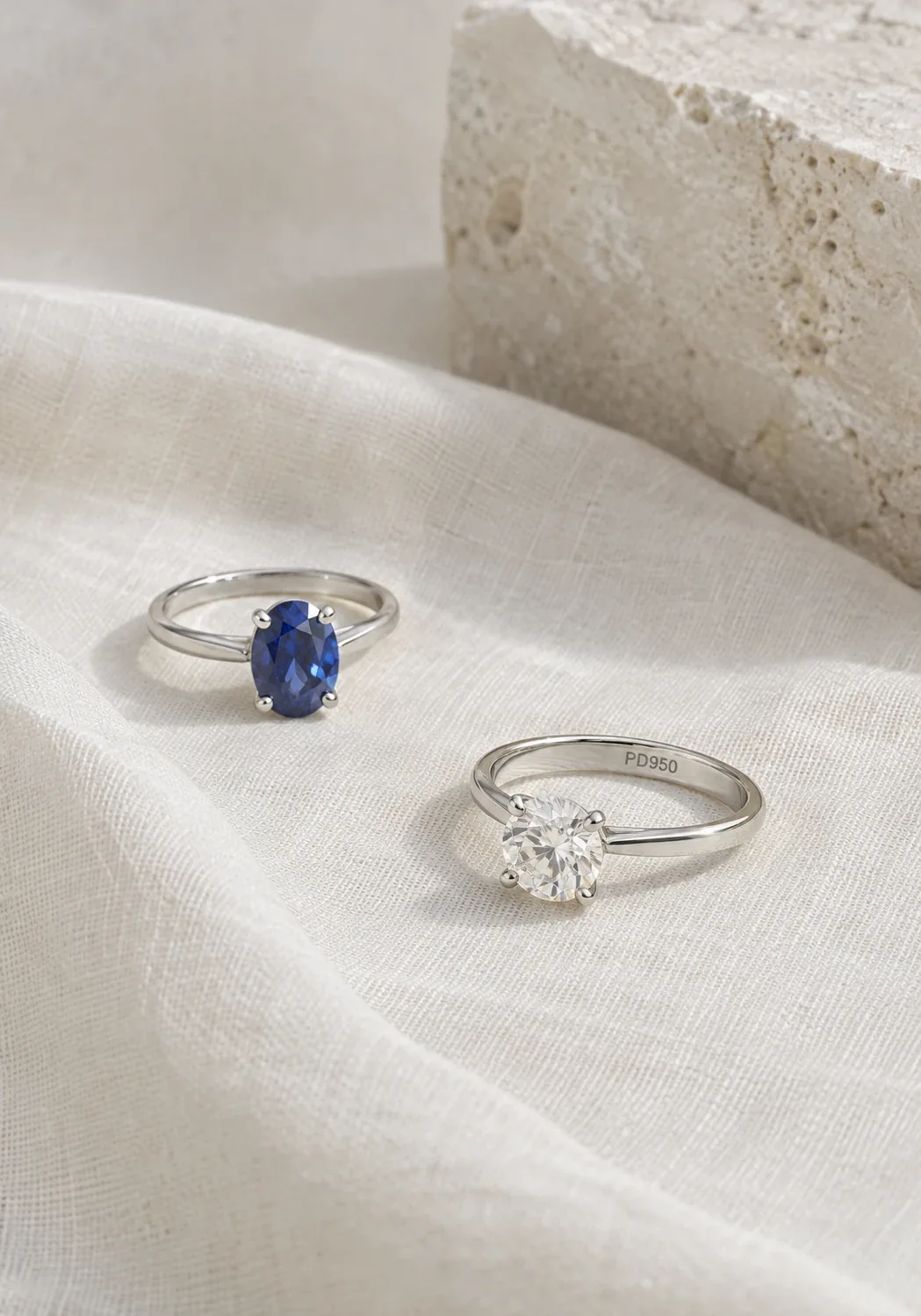
Palladium may be used in rings and other jewellery featuring diamonds or coloured gemstones. If you are considering selling a gemstone-set piece, remember that its overall value may involve several components beyond the metal.
The treatment of gemstones depends on the item and the assessment process. Do not assume that a diamond, coloured stone, distinctive setting or original retail price will automatically be included in a metal-based offer.
Keep any available receipts, certificates, gemstone reports or original product documentation with the jewellery. These records may help you describe the item, but they do not guarantee acceptance or a particular offer.
Have a Palladium Ring or Gemstone-Set Piece? Contact Us to Discuss It Before Making Arrangements.
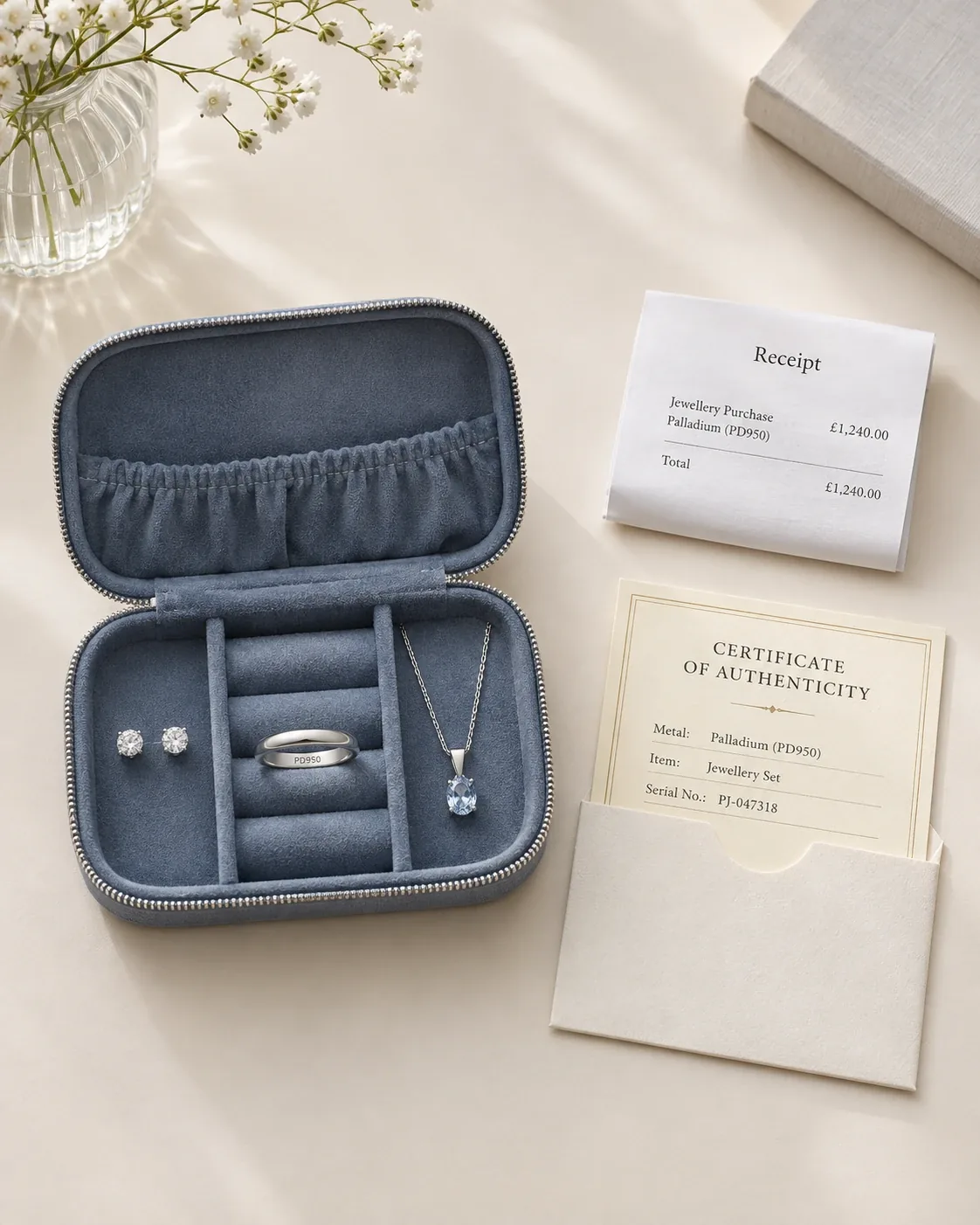
You do not need to identify the exact metal composition yourself before contacting 24 Gold. A few simple steps can help you provide useful information about your items.
If the item has no visible hallmark, you can still describe it and ask what information would be useful for the next step.
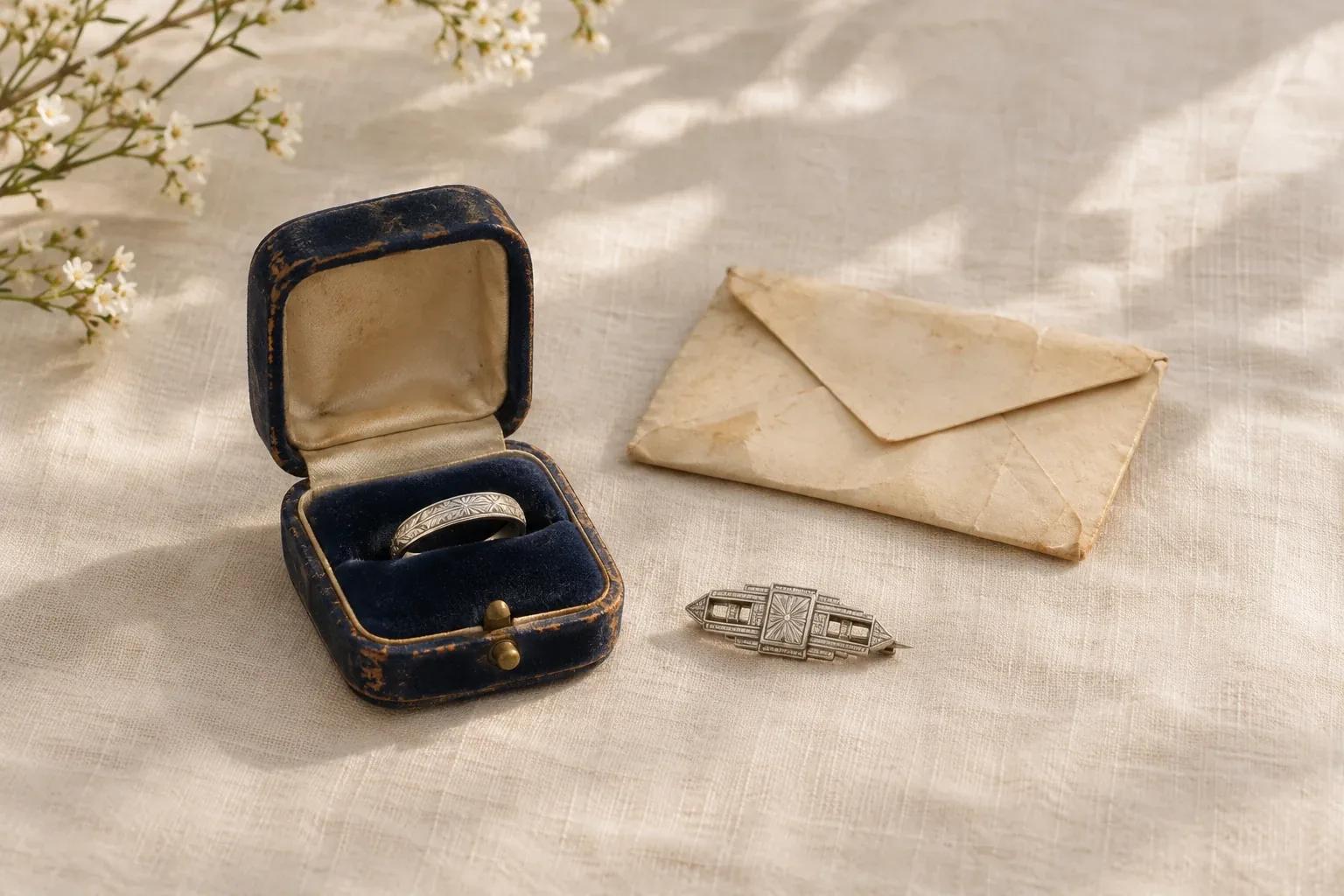
Some jewellery has significance beyond its metal content. An older ring, a piece from a recognised designer or an inherited item may have distinctive craftsmanship, provenance or collectible interest.
A metal-based assessment may not reflect all these characteristics. If you believe your jewellery has a particular history, maker's mark or designer association, mention it when contacting 24 Gold. Original documentation, receipts and certificates may help describe the piece, although they do not guarantee a separate valuation or premium.
Avoid altering or dismantling a potentially collectible item before asking about the appropriate next step.
You can contact 24 Gold Group Ltd. to enquire about selling jewellery believed to contain palladium. Acceptance depends on the item's verified composition and current buying requirements. Contact our team before making arrangements.
Check for visible palladium-related hallmarks and any original product documentation. Palladium can look similar to platinum and white gold, so appearance alone is not sufficient to identify it. The metal may need to be verified during assessment.
PD950 generally indicates an alloy containing 95% palladium by weight. It is a useful identification mark, but the stamp alone does not guarantee the item's composition or acceptance for purchase.
No. Palladium and platinum are different metals, although both belong to the platinum-group metals and can be used in white-metal jewellery. Their physical properties, density and market prices differ, so correct identification is important.
Yes, you can ask whether broken or incomplete palladium jewellery can be considered. Acceptance depends on the item's composition and current buying requirements. Contact 24 Gold before visiting.
Not necessarily. The treatment of diamonds and other gemstones depends on the item and assessment. Ask whether the offer is based on the palladium content alone or whether other components will be considered before accepting it.
You can make an enquiry without a certificate. Share any visible markings and available documentation with 24 Gold. The composition may still need to be verified, and acceptance depends on current requirements.
Whether you have a palladium wedding band, a ring with gemstones or an older piece with uncertain markings, 24 Gold can help you understand what information to provide when making an enquiry.
Describe your jewellery, mention any visible hallmarks and keep supporting documentation available if you have it. Contact our team to discuss the next step and confirm whether your items meet current buying requirements.
 24 Gold Group Ltd.
 Business hours:
 Phone:
 Email: