 Platinum Jewellery
99.95%Live Sell Price, per troy ounce
$2,149.29
- Per Kilogram
- $69,101.18

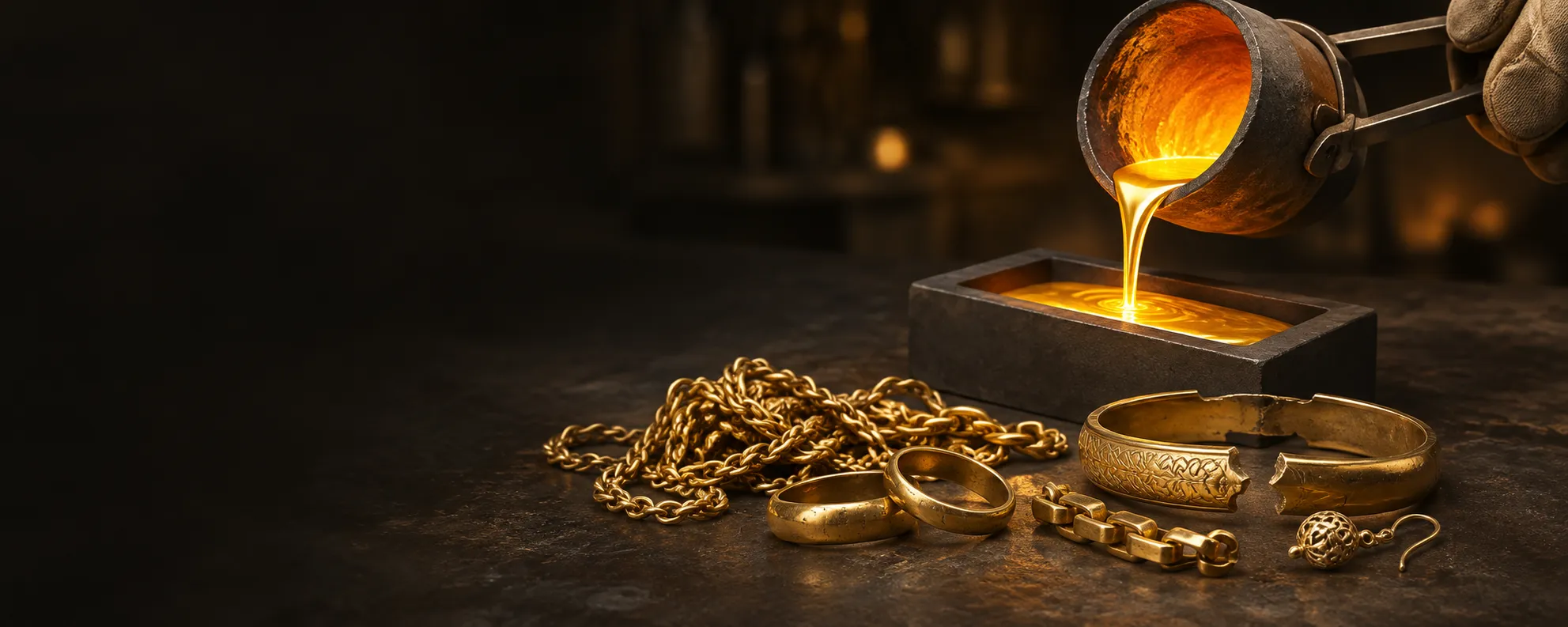
Have a platinum ring, wedding band or other jewellery you no longer wear? Speak with 24 Gold Group Ltd. in Toronto about selling a single piece or a collection.
Platinum can resemble white gold and other white-coloured metals. Visible hallmarks and product documents can help identify what you have, but you do not need to establish its composition before calling.
Platinum JewelleryLive Sell Price, per troy ounce
$2,149.29
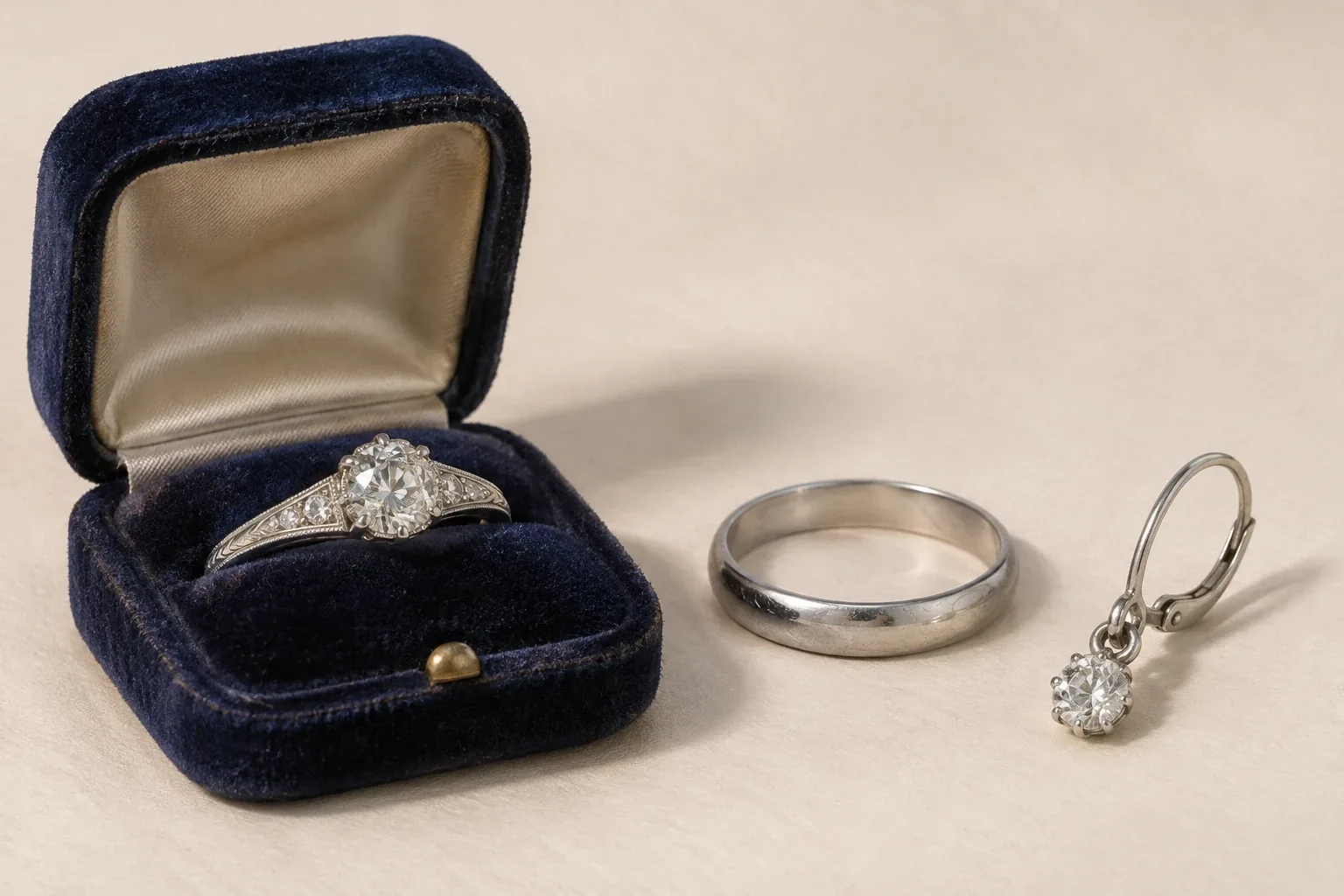
Contact 24 Gold about platinum engagement rings, wedding bands, earrings, necklaces, pendants and bracelets. We may also be able to assess damaged pieces or incomplete sets.
If your jewellery is older or inherited, tell us about any maker’s marks or history you know. Call before visiting to confirm what we’re currently buying, especially if you’re unsure whether a piece contains platinum.
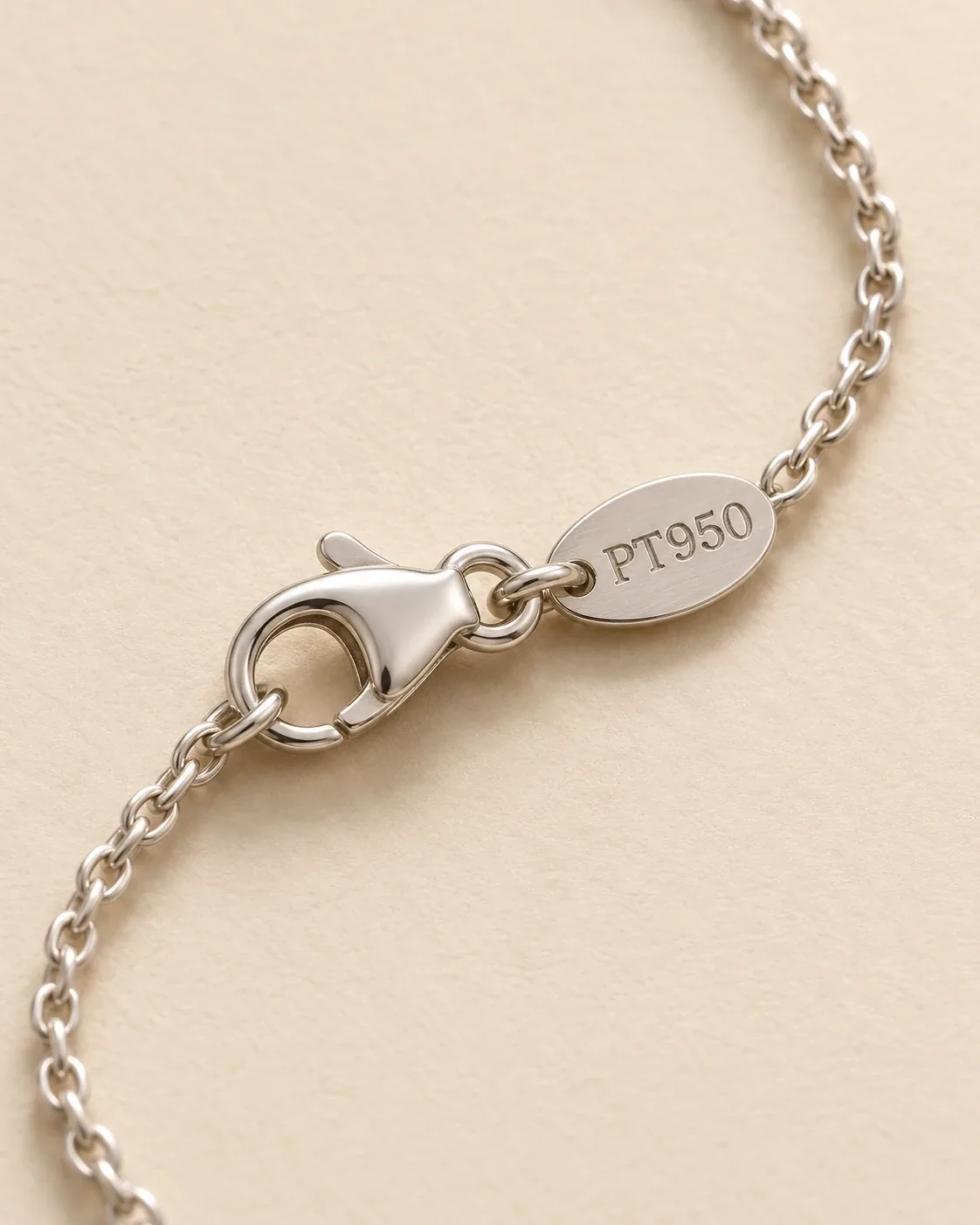
Look inside a ring band, near a clasp or in another discreet location for purity markings. Marks such as PT950 or PLAT950 indicate a stated platinum content of 950 parts per thousand, or 95%.
Marking conventions vary, and stamps can be worn or missing. A number such as 950 should be interpreted alongside other identifying marks rather than taken as proof of platinum on its own.
Keep receipts or original product documents available. Do not scratch or chemically test jewellery to identify it.
These metals can look alike. Check the markings for clues.
Look for marks such as PT950 or PLAT950.
Look for a karat mark such as 14K or 18K.
Commonly marked 925 or Sterling.
A surface coating or other metals can affect what the piece contains.
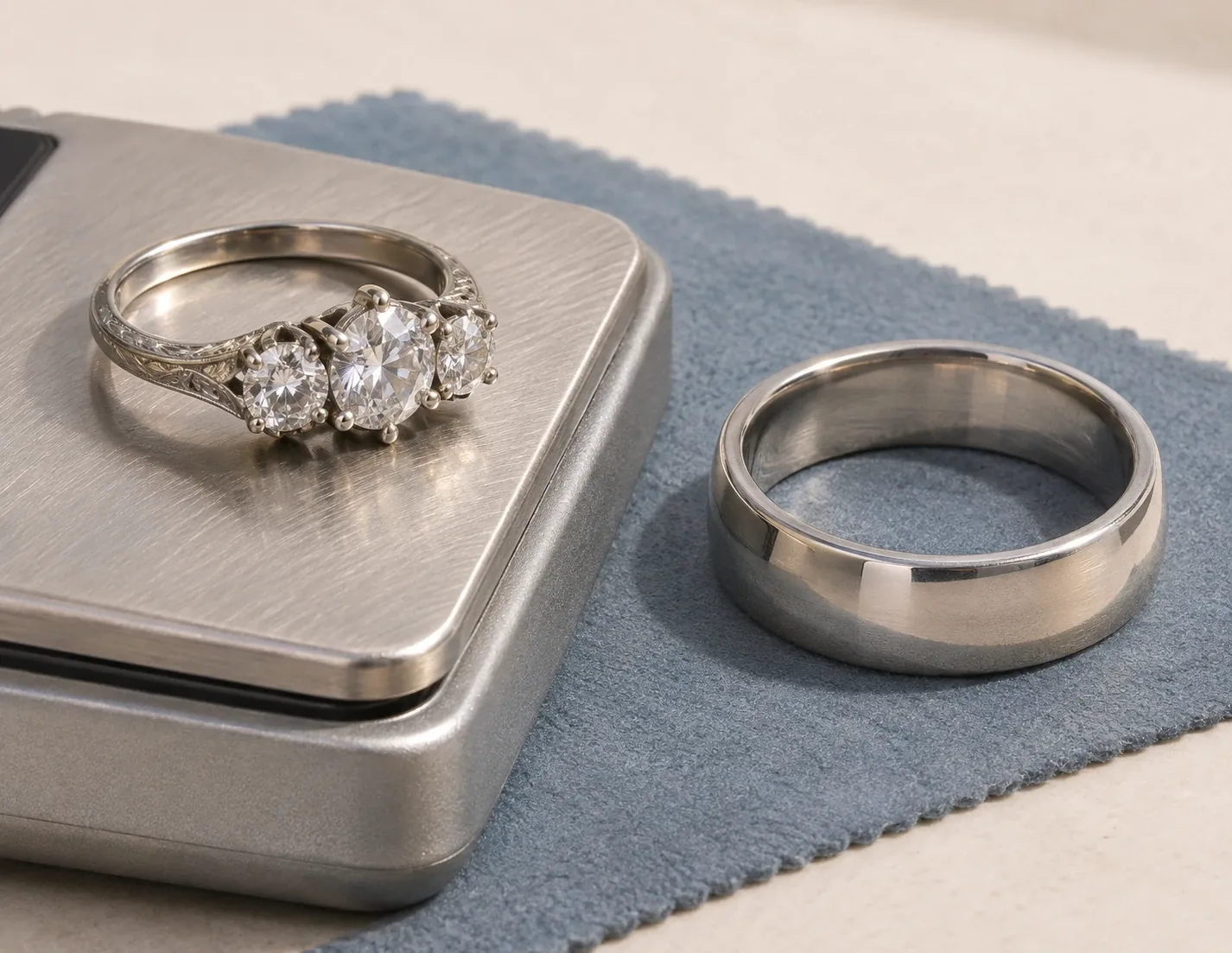
A metal-based assessment considers the platinum present rather than treating the complete item’s weight as platinum. Gemstones, fittings and other metals need to be accounted for when establishing the relevant metal weight and purity.
Ask which buying rate applies, whether any charges or deductions affect the offer, and what the final amount includes. The original retail price does not establish what you will receive when selling.
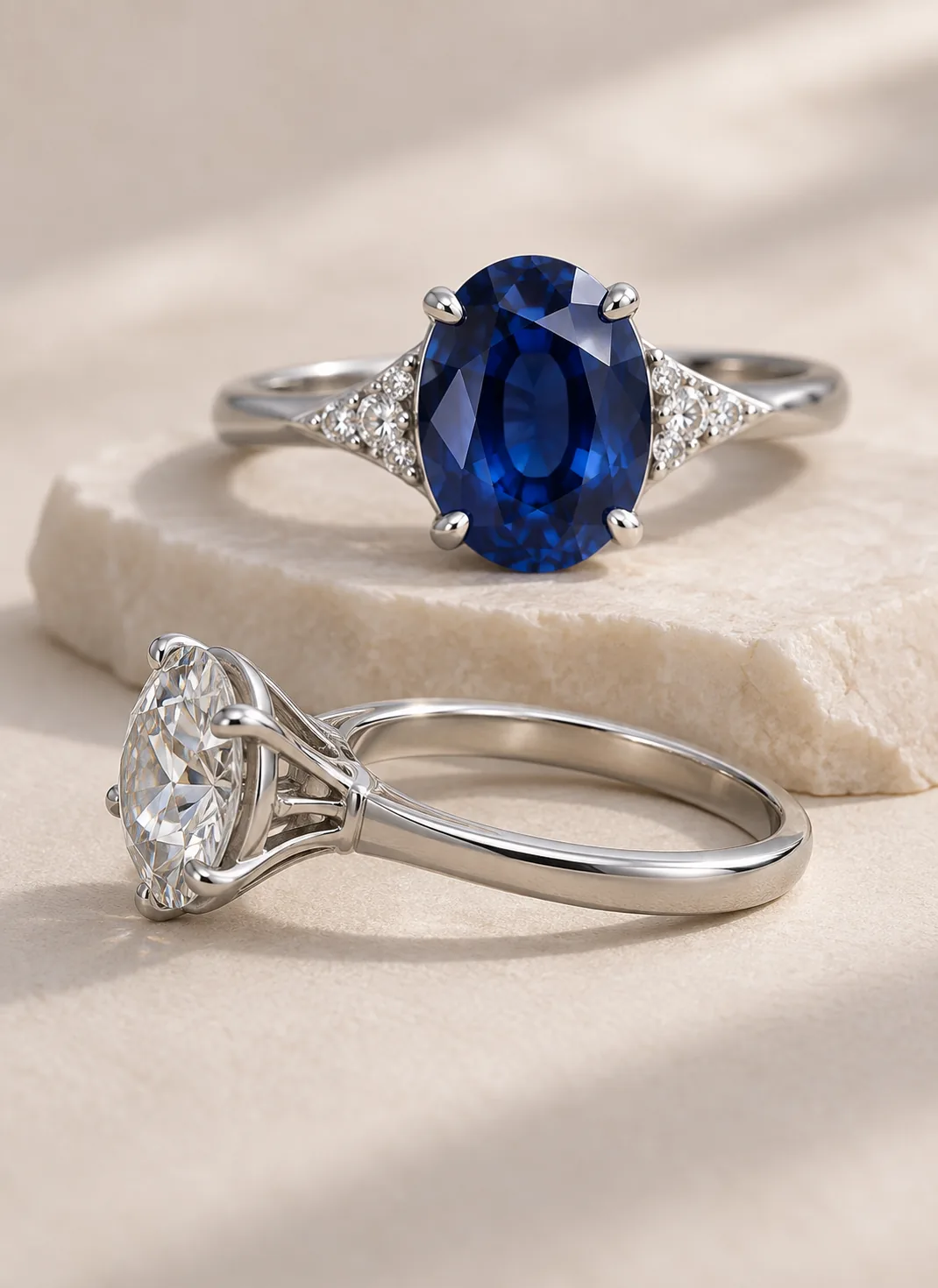
Do not assume a metal-based offer includes the value of diamonds, coloured gemstones or the setting’s design.
Clarify whether the purchase covers platinum alone or other components as well. Before authorising removal or processing, ask what happens to the stones and whether they can be returned.
Keep gemstone reports, receipts and certificates with the piece where available. They can help describe the item without guaranteeing a particular offer.
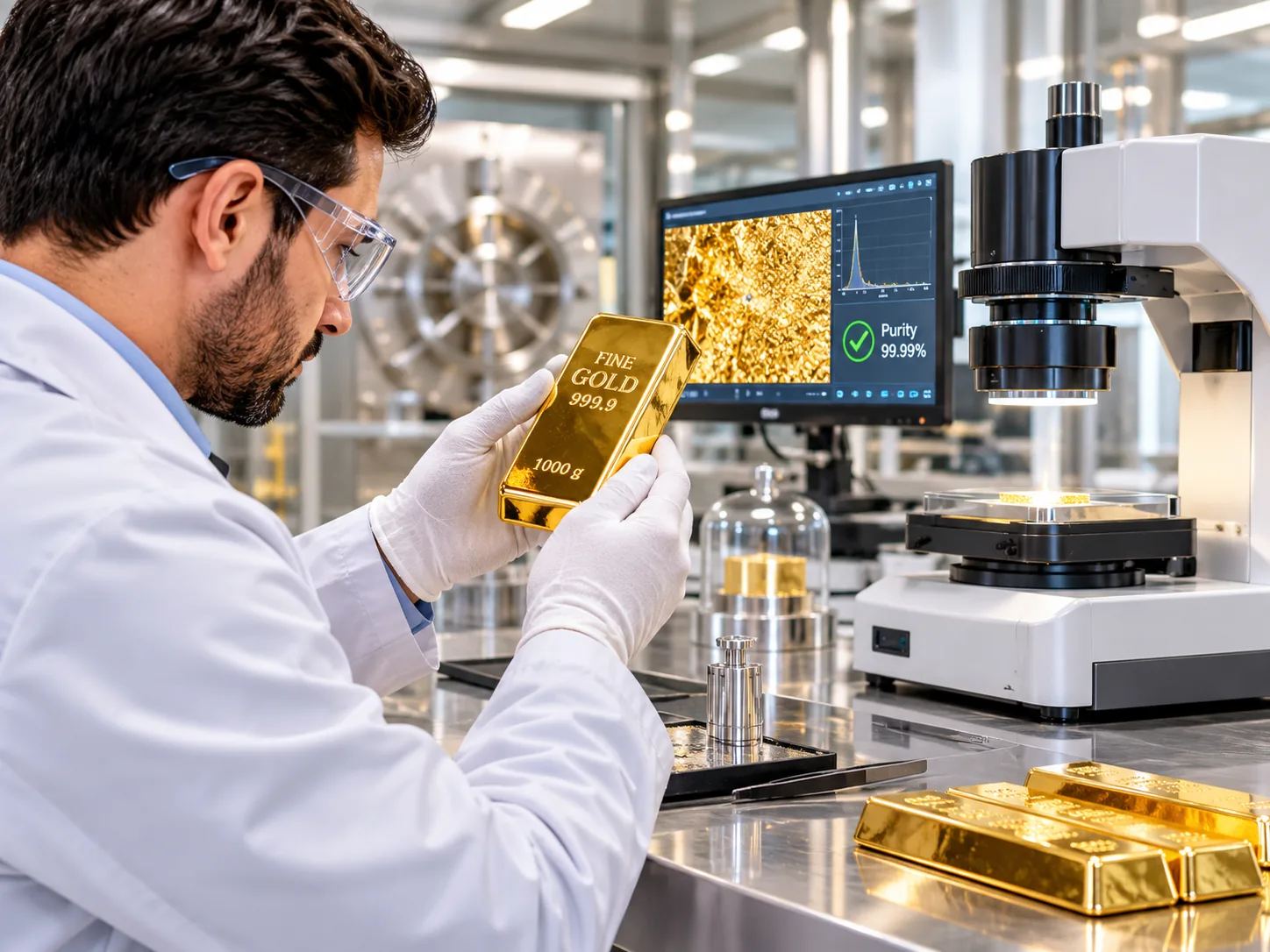
Keep pieces intact and gather the information you already have.
Do not cut, dismantle or alter jewellery before discussing the assessment. Before visiting, confirm appointment and identification requirements, along with the payment method and timing if you accept an offer.
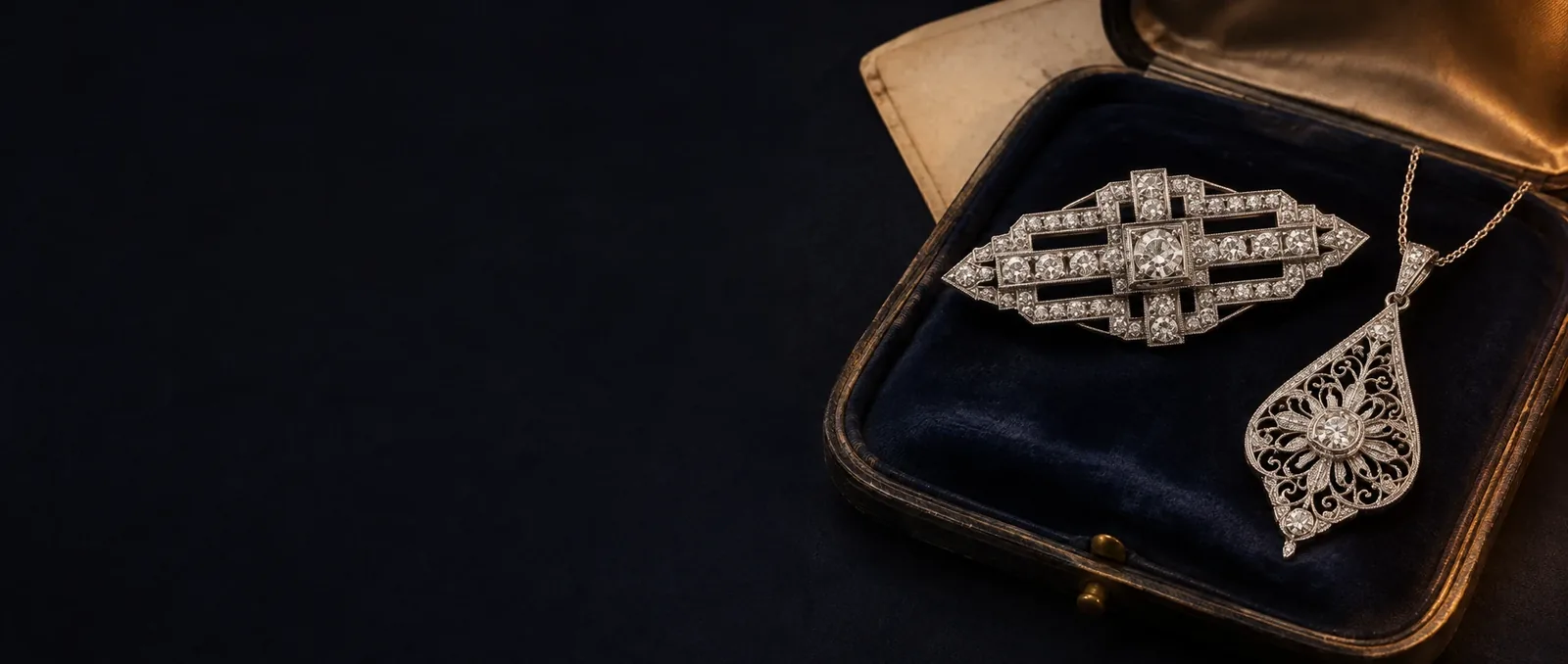
Craftsmanship, provenance, a recognised maker or an unusual setting may give jewellery value beyond its platinum content. A metal-based assessment may not capture those qualities.
Mention these features before accepting an offer. If you want the piece valued as finished jewellery, consider whether a specialist appraisal is appropriate.
Yes. A damaged or incomplete piece may still contain platinum. Its verified composition and relevant metal weight matter to a metal-based assessment.
Yes. Provide the available markings and item details so our trading floor can explain what verification is needed.
 24 Gold Group Ltd.
 Business hours:
 Phone:
 Email:


 Call Trading Floor