

Ownership
What you legally own and how it is recorded.


Physical precious metals appeal to buyers who want a tangible asset, exposure to bullion markets or products they can hold directly. But the metal price is only part of the decision. Purchase premiums, resale terms, storage and tax considerations can all affect the outcome.
This guide covers the questions to consider before buying gold, silver, platinum or palladium. It provides general education, not a recommendation about what you should invest in.

Physical ownership, diversification and collecting are different objectives, and they may lead you to different products. Consider how much you can commit and how long you expect to hold the metal.
No metal guarantees a return. Avoid relying on a future bullion sale to meet near-term expenses.
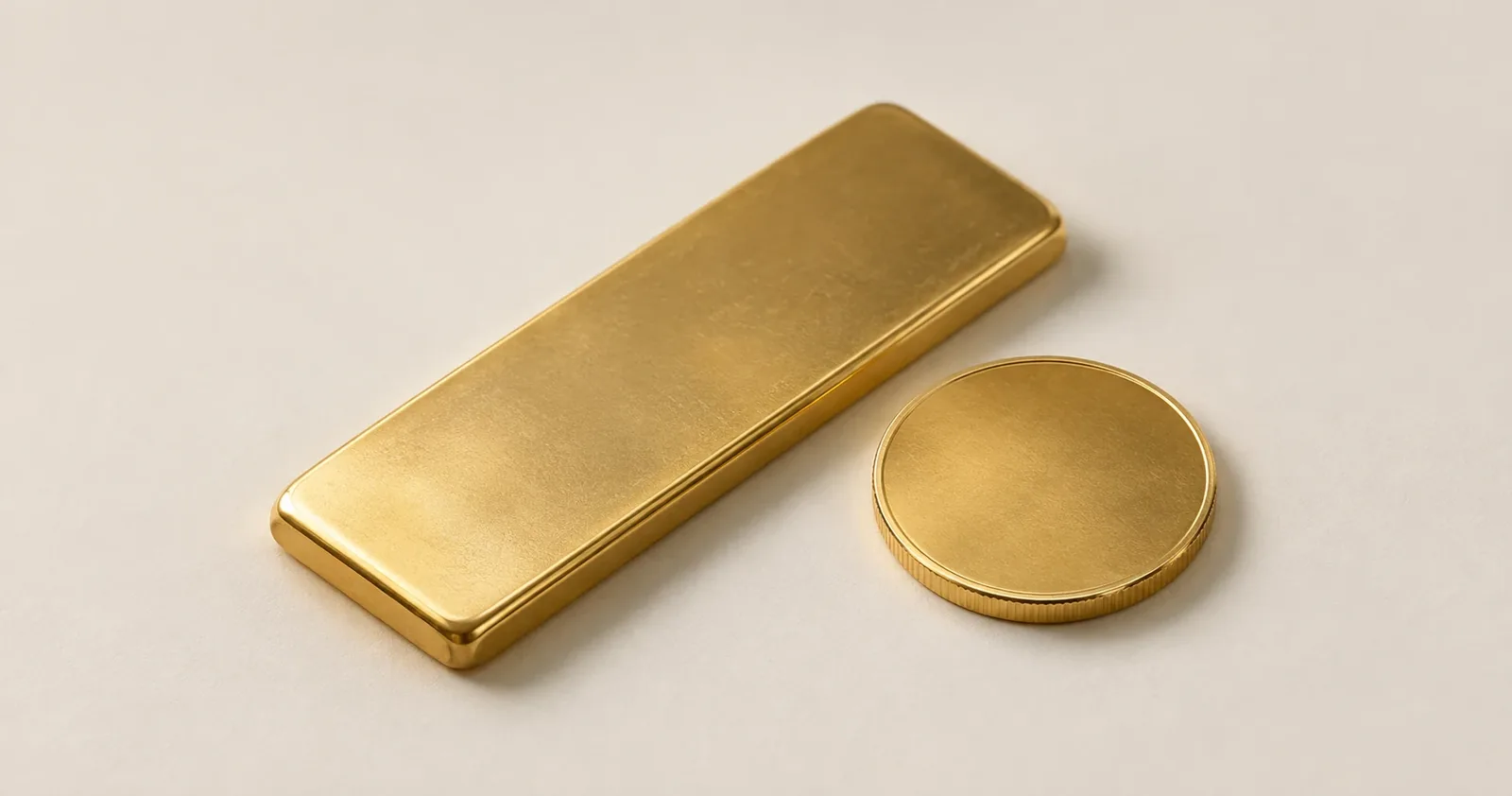
A finished bar or coin carries a premium over the spot price, and a dealer’s buying offer may be below its selling price. Together these set how far the market must move before you recover your costs.
Compare the full purchase amount and ask about the buying terms for the product you are considering.
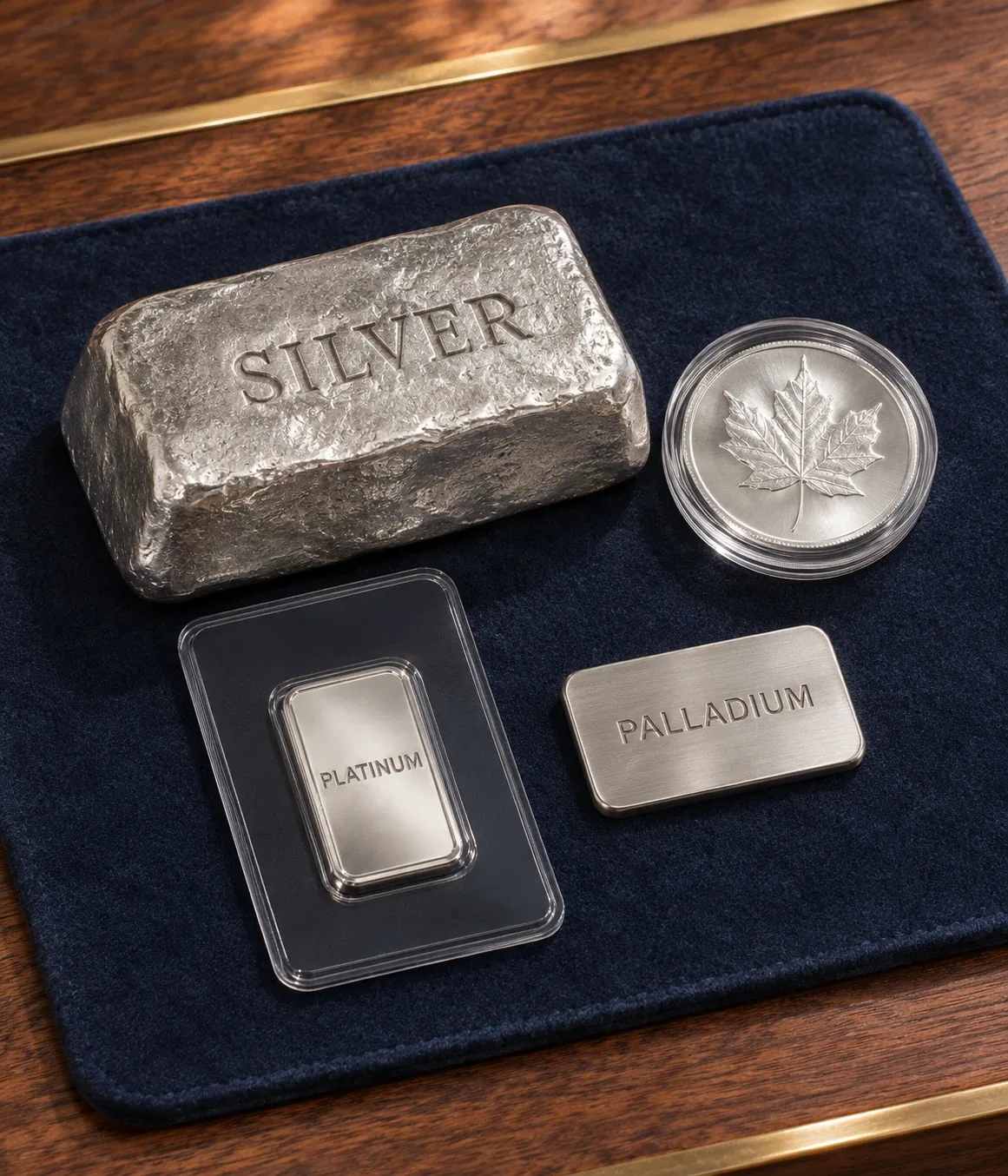
Gold, silver, platinum and palladium have different uses and market influences, and their prices do not always move together.
A bar, a bullion coin and a limited-edition coin can contain the same metal at different prices. For metal exposure, focus on fine-metal content and total cost.
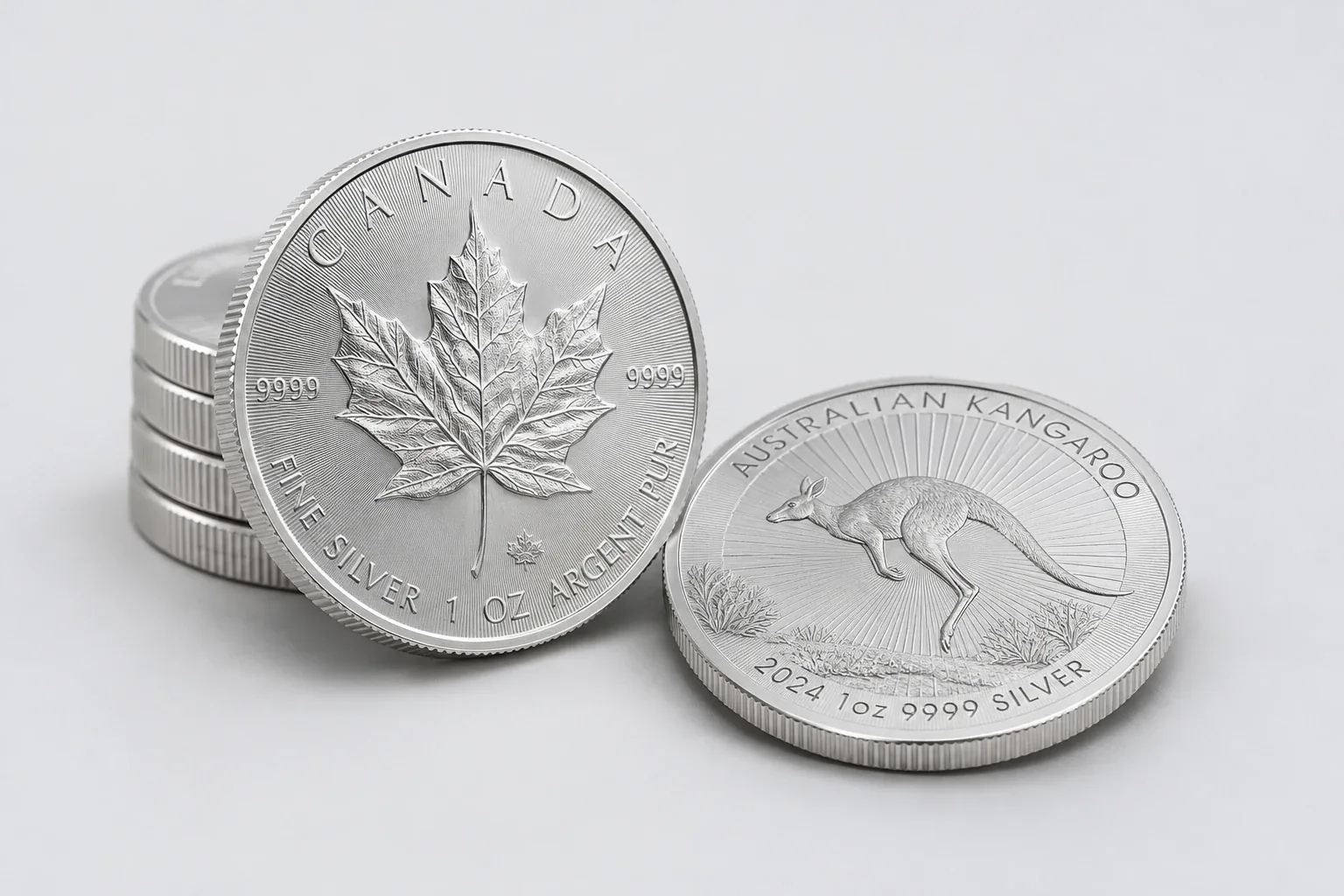
Several smaller pieces let you sell individual units, while a larger bar generally needs to be sold as a whole.
Smaller products may carry higher premiums per unit of metal, so compare the trade-off using actual quotes.
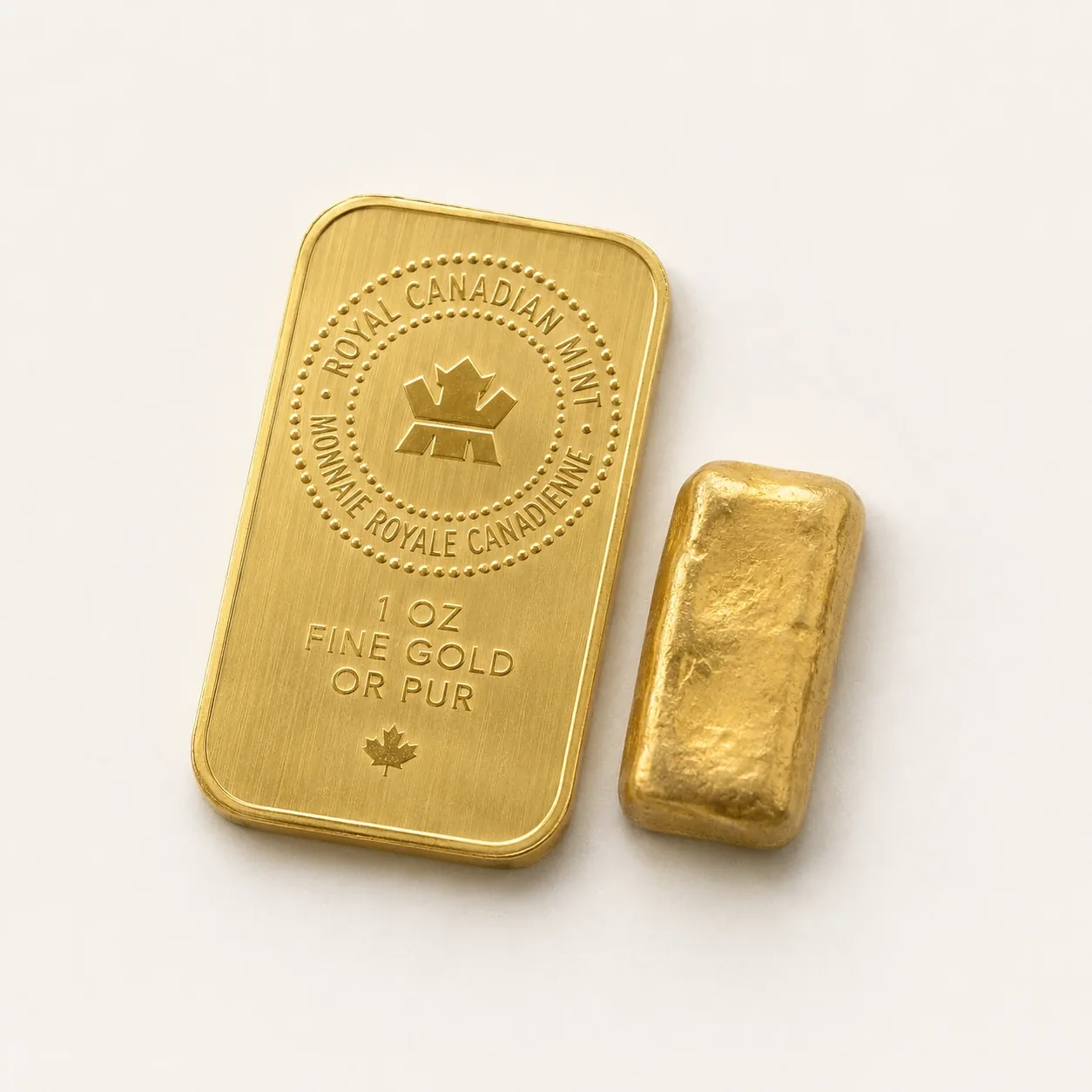
Physical bullion must still be presented to a buyer, identified and priced, and verification and payment clearance can take time.
Being able to find a buyer is different from selling at your preferred price and time. Do not plan around a guaranteed buyback price unless it has been agreed.
For home storage, review theft risks and your insurance. For third-party custody, get written details on:
What you legally own and how it is recorded.

How collection, withdrawal or delivery works.

Storage, handling, withdrawal and other applicable fees.
Coverage, exclusions and how a claim would be handled.
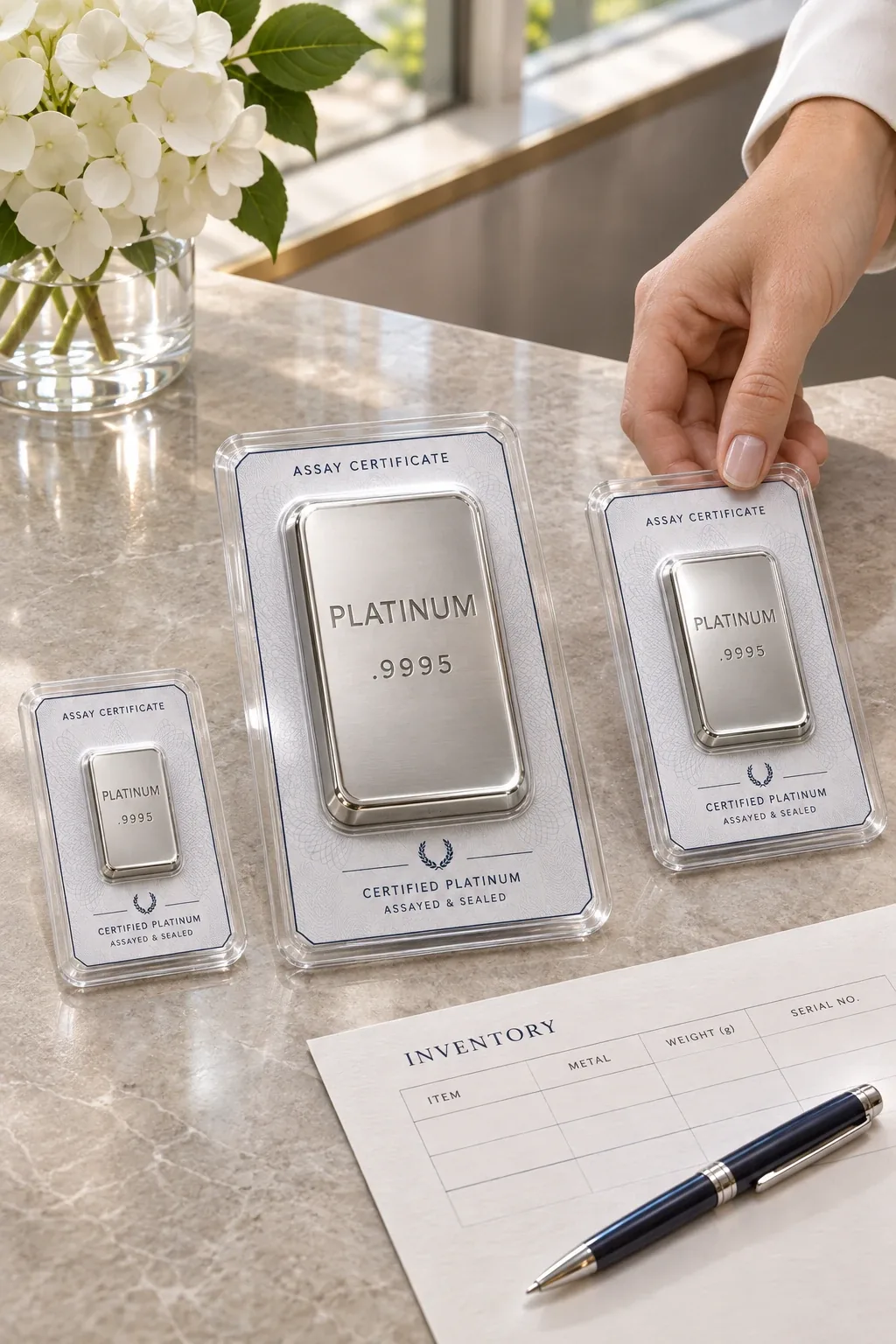
24 Gold sells physical bullion. We do not set up or administer RRSPs or TFSAs, or arrange bullion purchases through these accounts.
Registered-plan eligibility is product-specific. Confirm the exact product with the plan’s trustee or custodian, and consult a tax professional where needed.

A recent rise does not mean prices will keep climbing, and a fall does not make a product a bargain.
Revisit your objective, budget and costs before reacting to market news, and be cautious of pressure to act immediately or claims of guaranteed returns.
Before choosing a product, write down the practical details of ownership:

The purchase total, expected ongoing costs, and how long you can hold without needing the funds.
Where the metal will be kept, and how you will keep invoices, specifications and later sale information.
What might lead you to sell some or all of it.
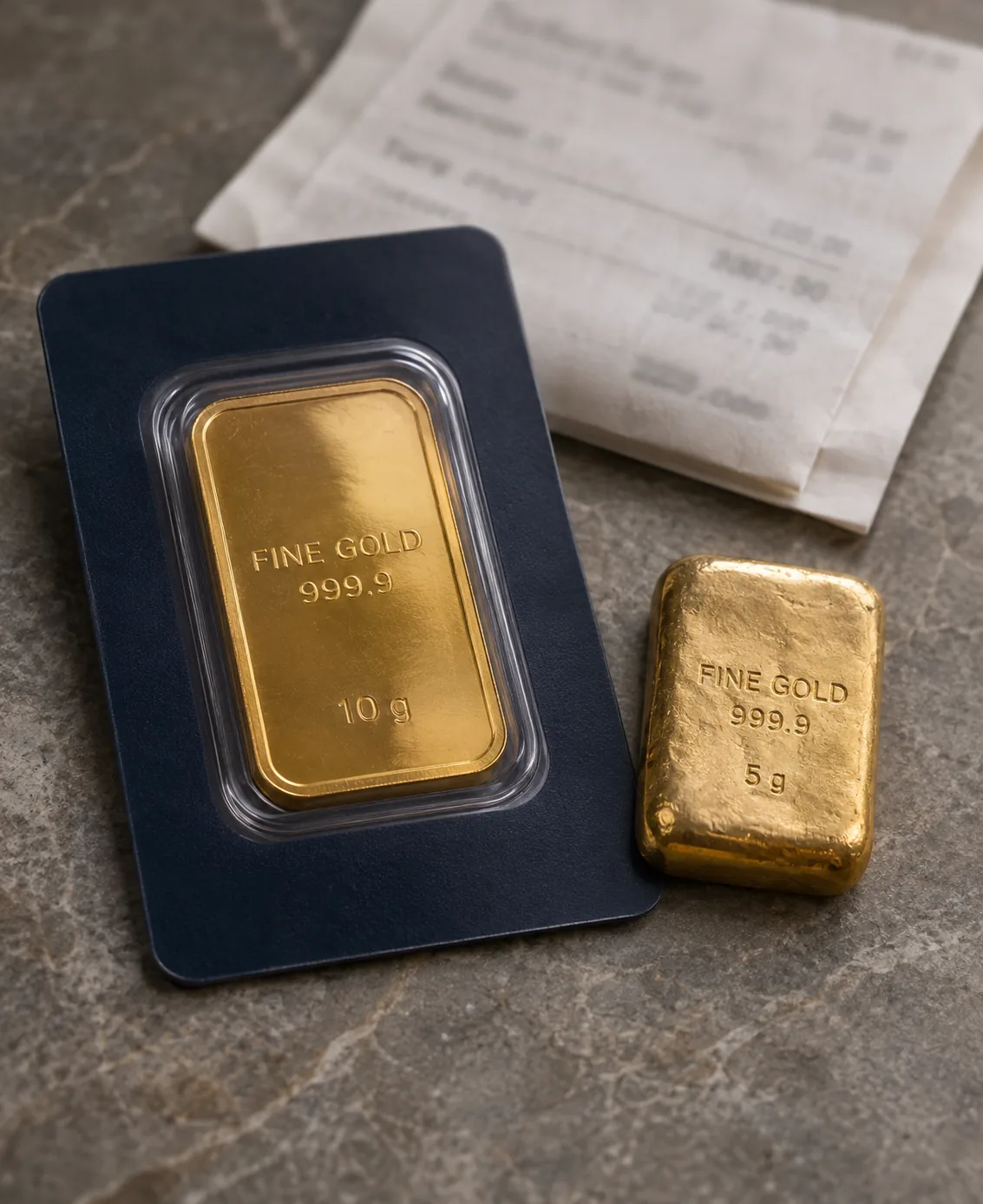
Keep purchase dates, invoices, product details and expenses, and records of later sales. A dealer’s receipt does not settle your tax obligations.
Where bullion is held as capital property, a sale may produce a capital gain or loss. Ask a Canadian tax professional how the rules apply to you.
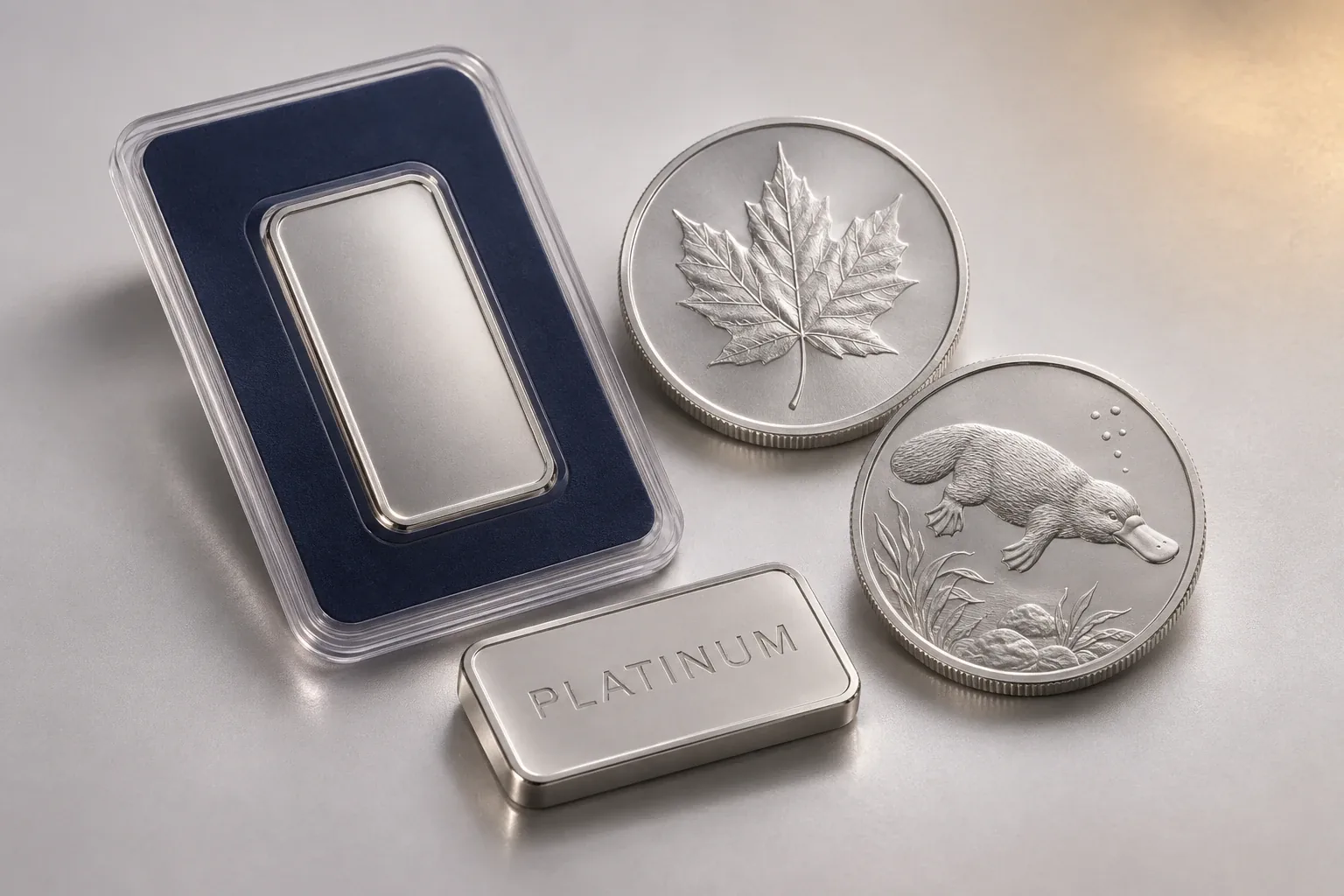
Owning a bar or coin is different from an investment that tracks a metal price. Physical bullion involves a particular product, its custody and its resale process.
Before choosing either, establish what you would own, how you could sell it and which costs apply.

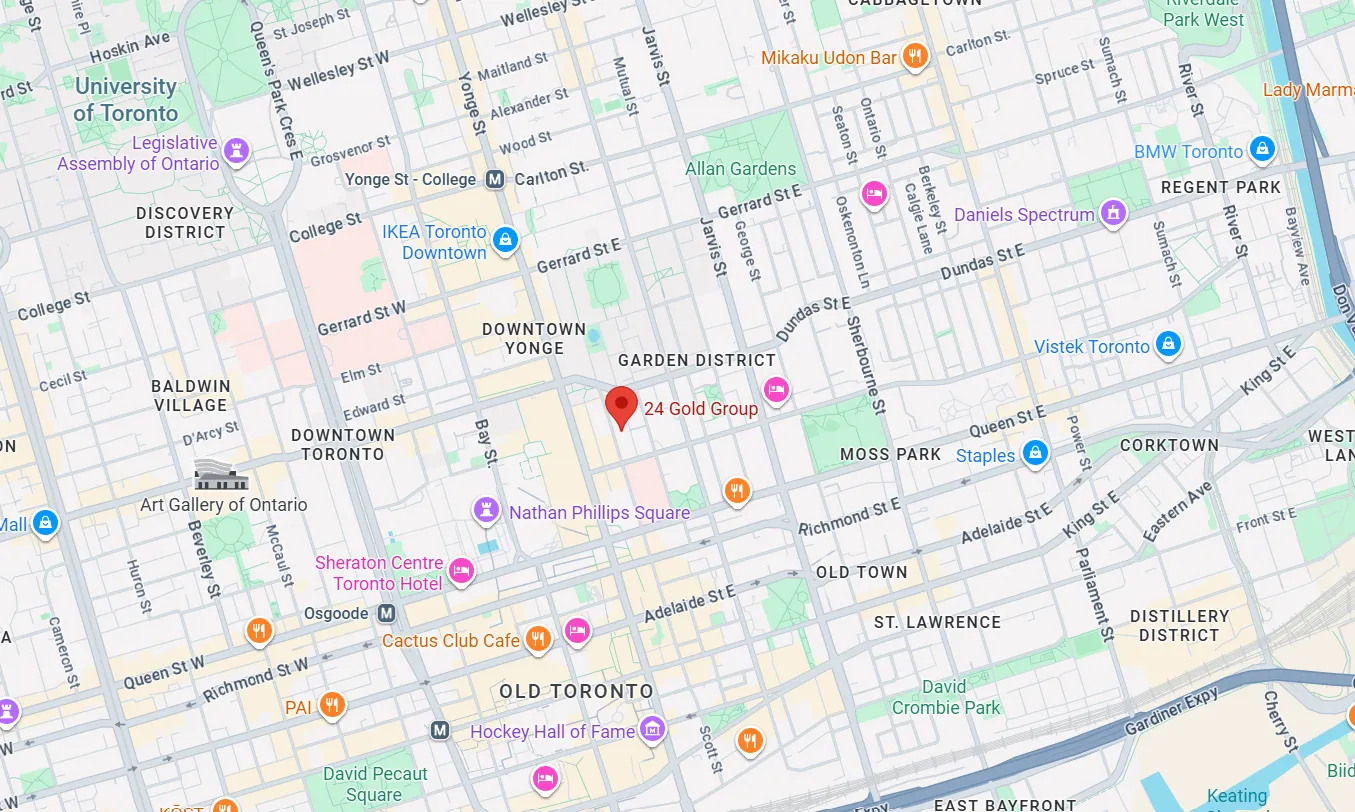
Call our Toronto trading floor with the metal, product and quantity. We’ll confirm specifications, availability and current pricing.
 24 Gold Group Ltd.
 Business hours:
 Phone:
 Email:

 Call the Trading Floor