Acid and Touchstone Testing
At drop-off, we can use gold acid and touchstone testing to sort suitable gold items into karat categories. It indicates purity; uncertain material may need further analysis.

Understand what your material contains before making refining or selling decisions. Speak with 24 Gold Group Ltd. in Toronto about testing gold, silver and other precious-metal items, from jewellery and bullion to workshop scrap and residues.
The appropriate method depends on the material and what you need to establish: identification, purity or the composition of a batch.
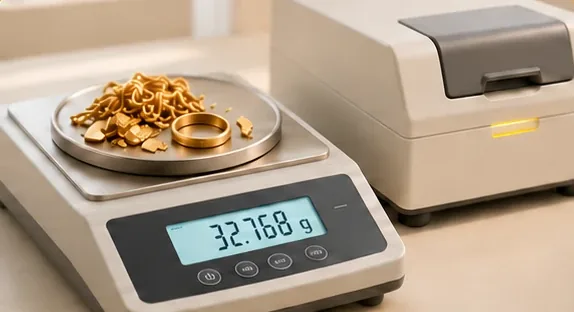
Assaying measures how much of a particular metal a material contains. In refining, the result helps establish the precious-metal content used for processing and valuation.
Testing can also identify or sort items before further work. A surface reading, a karat check and a batch analysis don’t confirm the same thing, so ask what each method can tell you.
At drop-off, we can use gold acid and touchstone testing to sort suitable gold items into karat categories. It indicates purity; uncertain material may need further analysis.
XRF analyses metal composition, including the bars cast during our refining process. Coatings and surface condition can affect a reading, so we interpret it alongside the sample.
Mixed scrap and workshop residues may need melting or processing before we can take a representative sample. Melting changes the material’s form, so we confirm the work with you first.
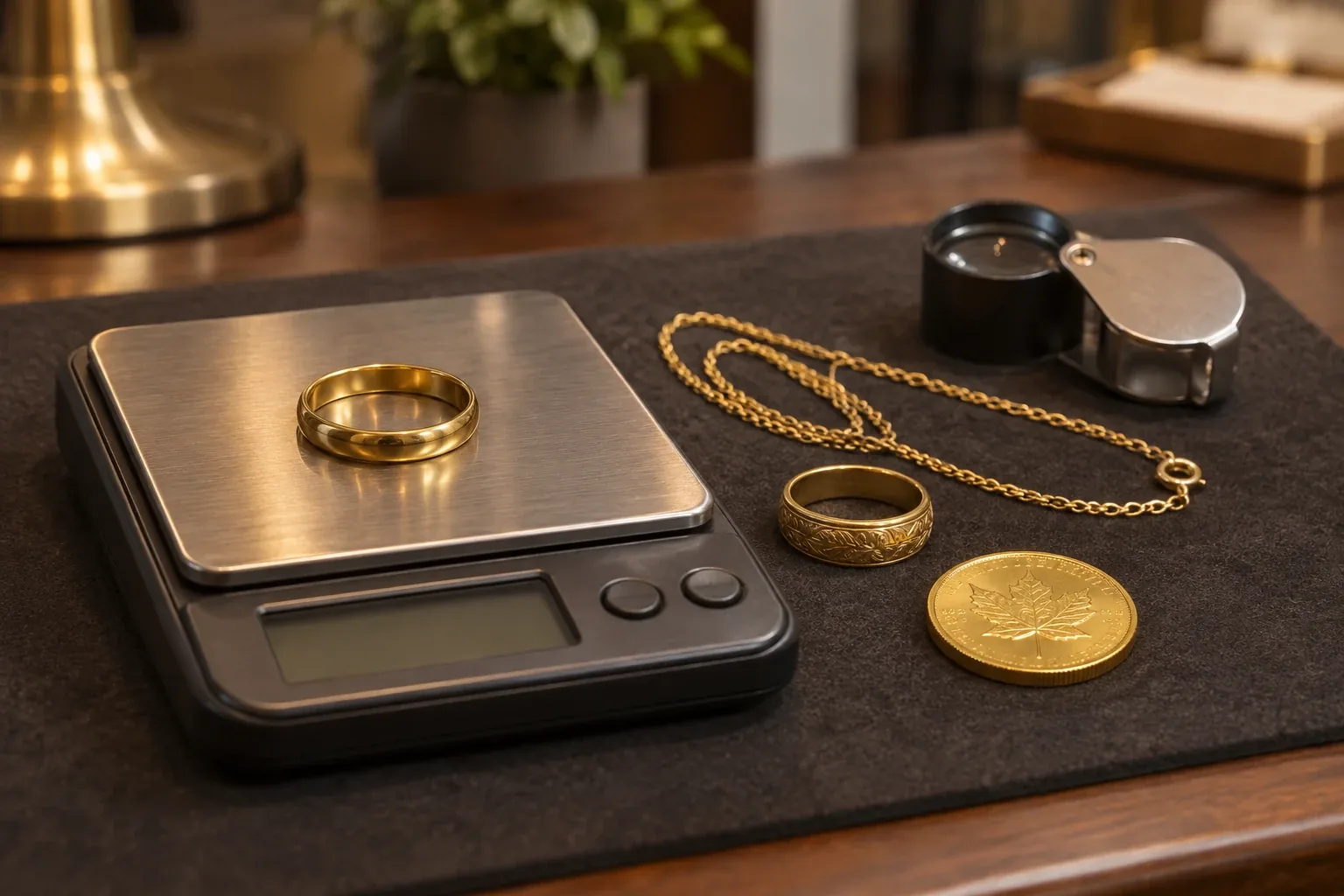
Call our Toronto trading floor to confirm the right test for your material and how to drop it off.
Testing shows what your material contains. A refining payout also depends on the recovered weight, the applicable market price and your service terms.
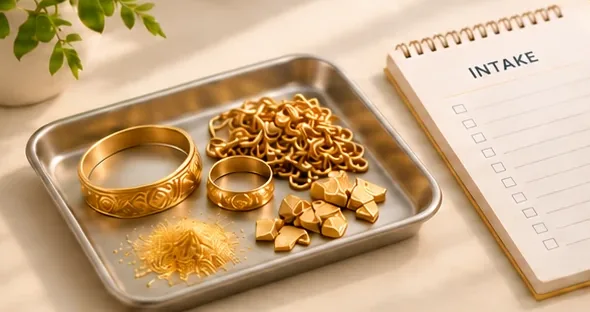
Tell us what you have, its estimated weight and any visible marks. Let us know if you need testing only or plan to refine or sell.
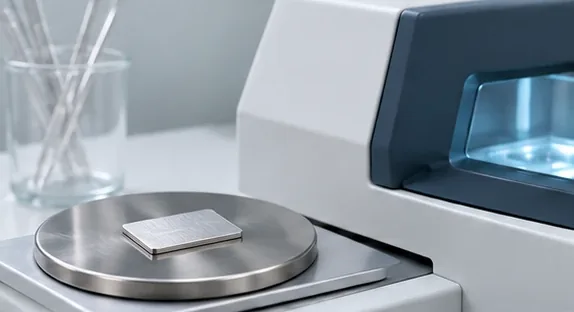
We choose the right method, from acid and touchstone to XRF. Mixed batches may need preparation first, and we confirm that with you.

We explain what the results show, which tests were included and how they feed into any refining or selling calculation.
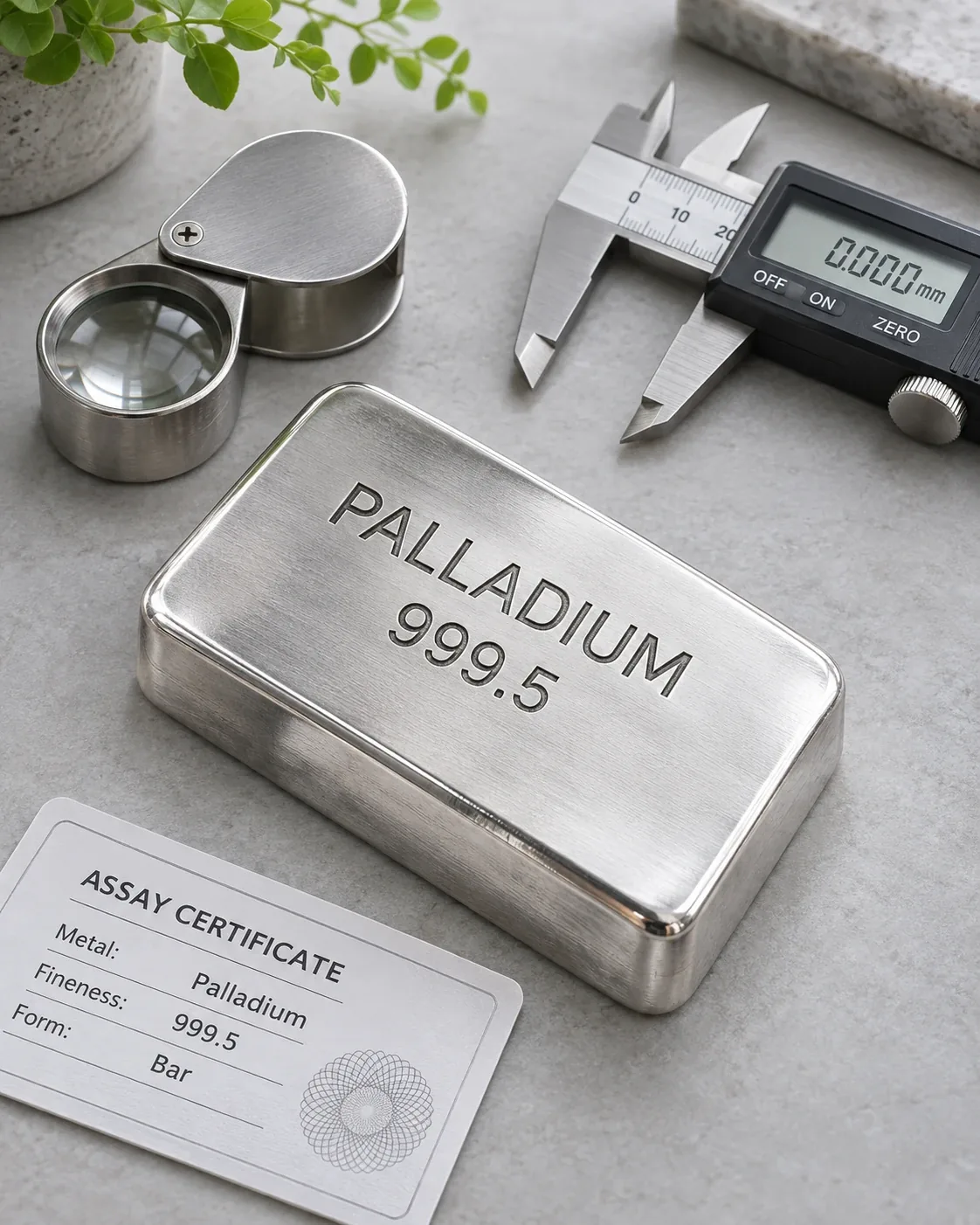
A test result depends on more than the method used.
Tell us what you know before you bring material in.
What you believe the material contains, and whether it is jewellery, bullion, filings, dust, scrap or another material.
Stated figures or clearly identified estimates.
Hallmarks, karat stamps, fineness marks and product details.
Plating, coatings, mixed alloys or non-metal components.
Assay reports, certificates or other analysis.
Identification, purity, batch composition or information for refining.
Before you submit material, ask about preparation, whether any sample is used up, charges and turnaround.
No. Photographs can show markings and help identify a product, but cannot establish its full composition or verified purity.
No. Some procedures require sampling, surface preparation or processing that changes the material. Confirm what will happen to your item before authorising work.
Ask what documentation is available for the particular service. Clarify whether you need an identification result, a composition report or information supporting a refining settlement.
 24 Gold Group Ltd.
 Business hours:
 Phone:
 Email:
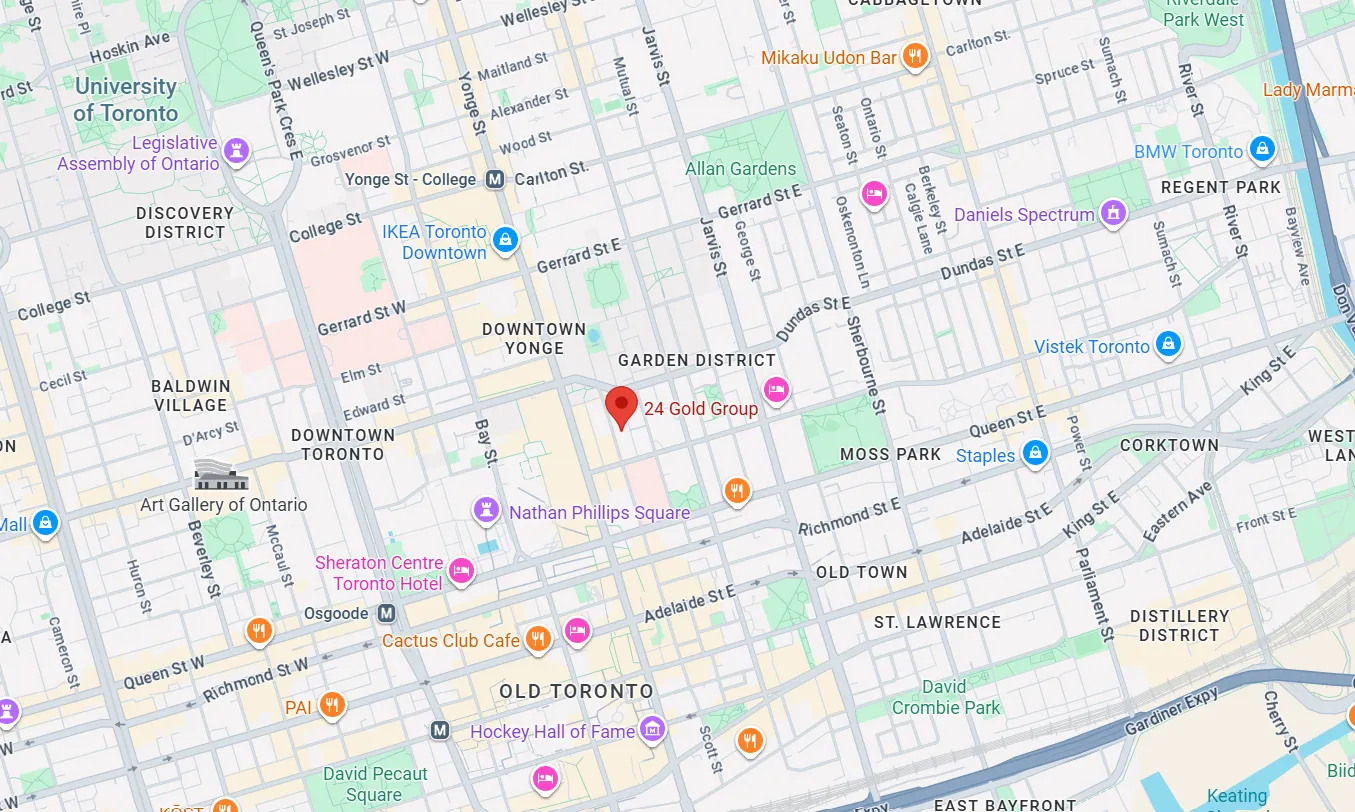

 Call the Trading Floor
 Invest With Us